

A data-led, community-driven approach to urban waste management through behavior change.
A data-led, community-driven approach to urban waste management through behavior change.
A data-led, community-driven approach to urban waste management through behavior change.
A data-led, community-driven approach to urban waste management through behavior change.
A data-led, community-driven approach to urban waste management through behavior change.


Does a city need just cleaning?
Urban waste challenges rarely come from one gap alone.
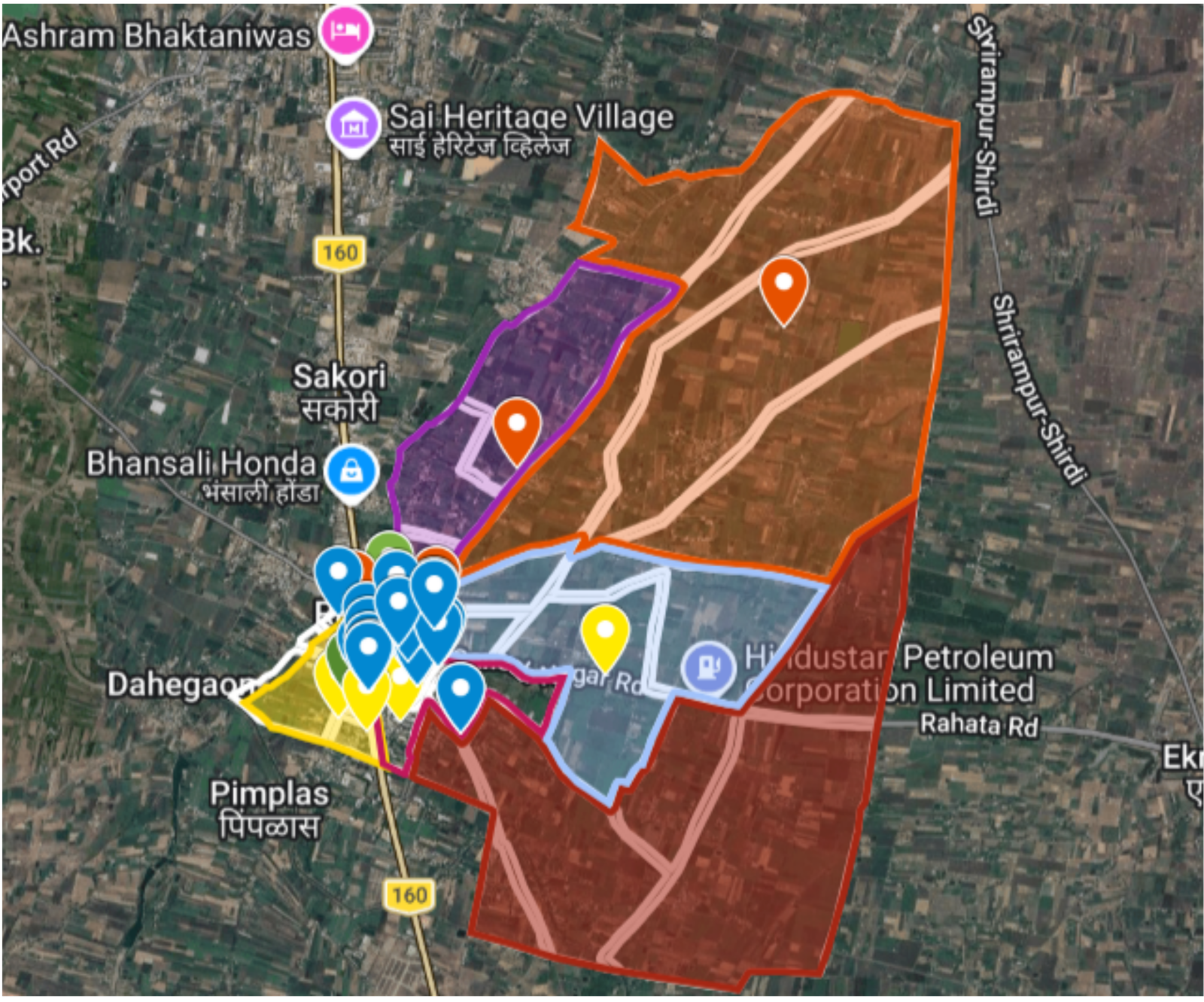
🔵 Blue- Garbage Vulnerable Points (GVP)
🔴 Red – Chronic Dumping Spot
🟡 Yellow- Regular Dumping Spot
🟢 Green- Successfully Cleaned and Transformed
Systems Don't Connect
Collection, routing and service delivery don’t always
align with how communities actually use them.
People Don't Participate
Awareness does not automatically translate into segregation, reduced littering or responsible disposal.
Problem Areas Keep Returning
A GVP can be cleaned today — but without behaviour change and local ownership, it can return tomorrow.
Data Doesn't Always Drive Action
Without understanding where the gaps are, interventions can become broad instead of targeted.
WHAT IS PARIVARTAN?
A practical model for turning waste-management challenges into measurable change.
SYSTEM STRENGTHENING
Strengthening collection, coordination and municipal systems
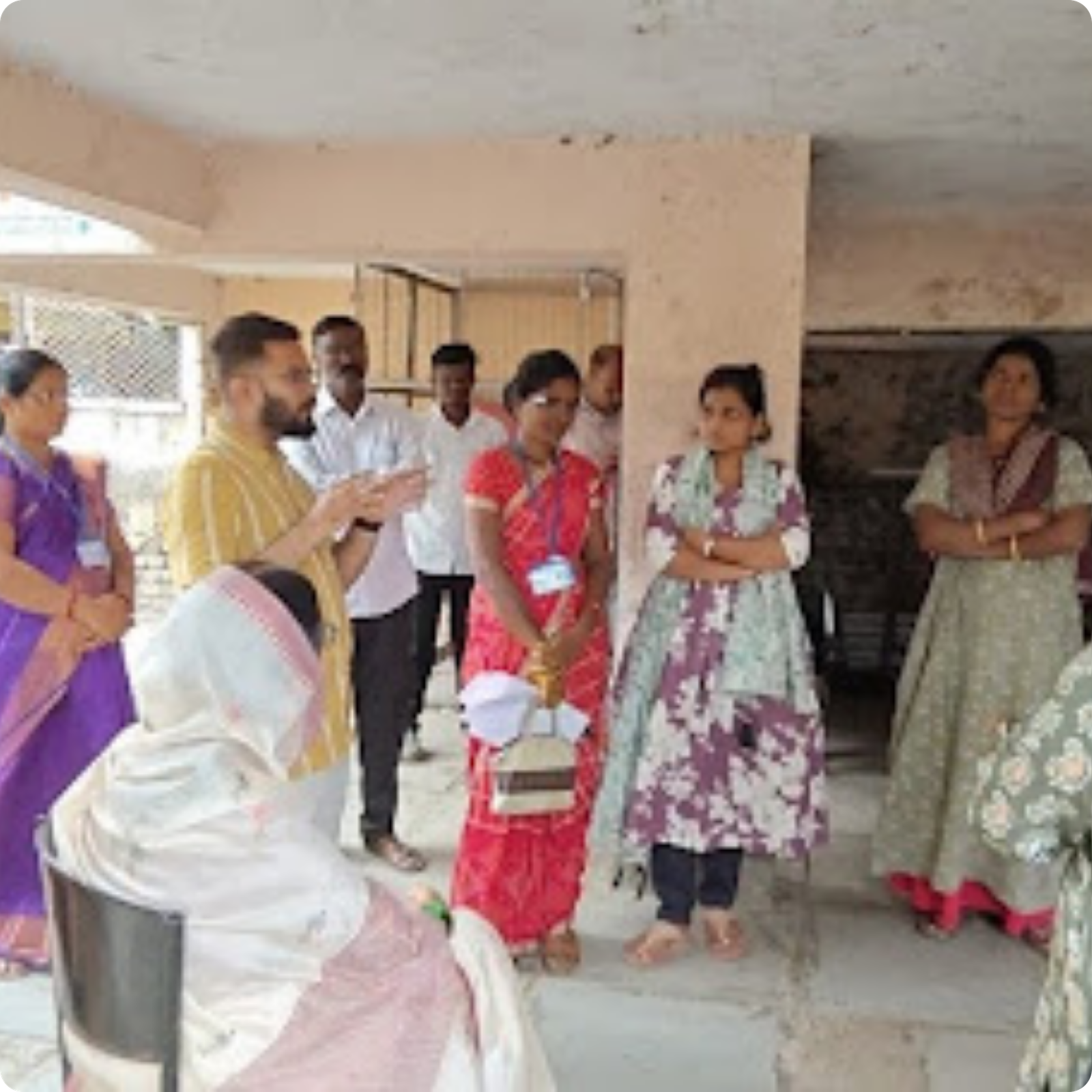
COMMUNITY PARTICIPATION
Mobilising households, schools, women, vendors and local stakeholders
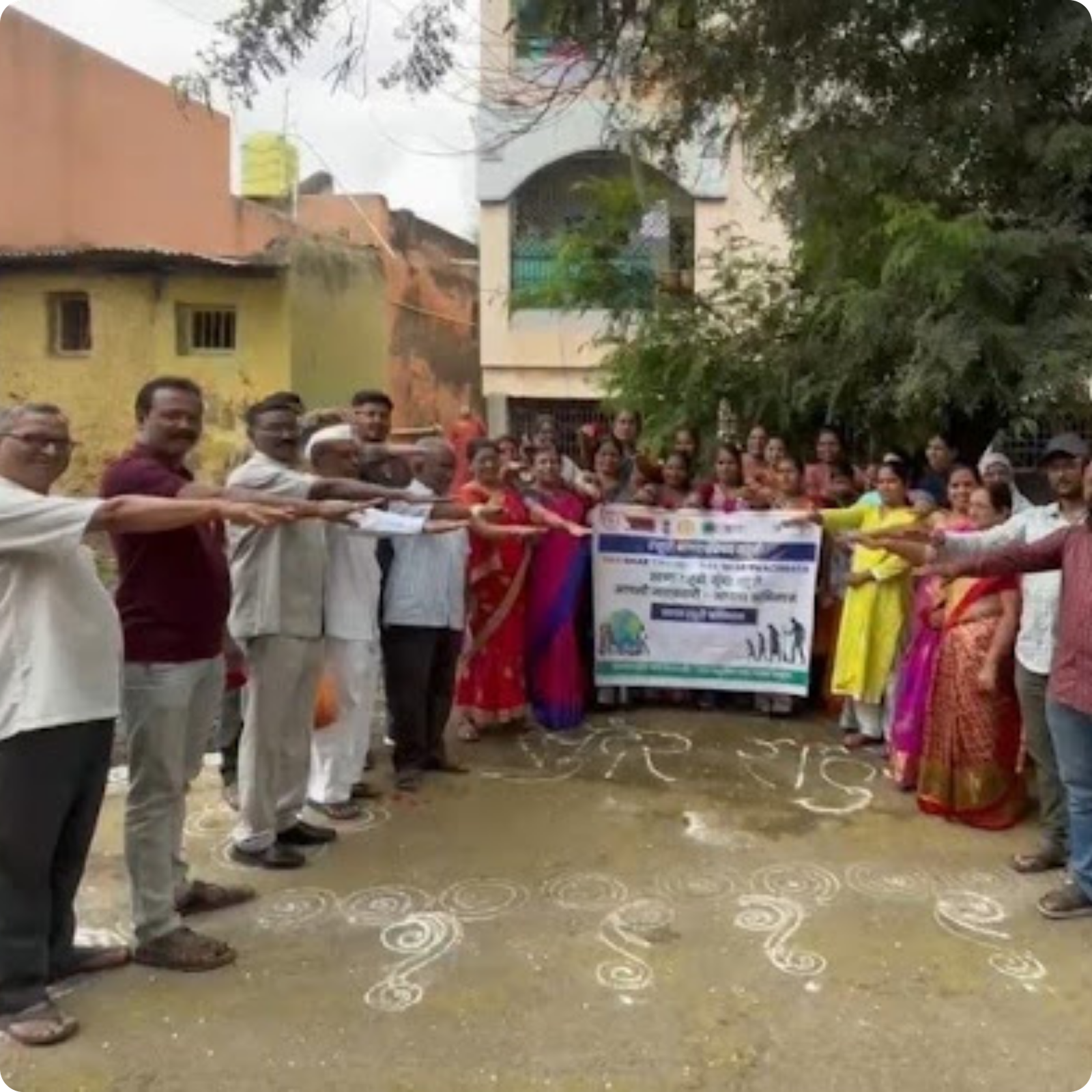
BEHAVIOUR
CHANGE
Helping citizens adopt and sustain better waste practices
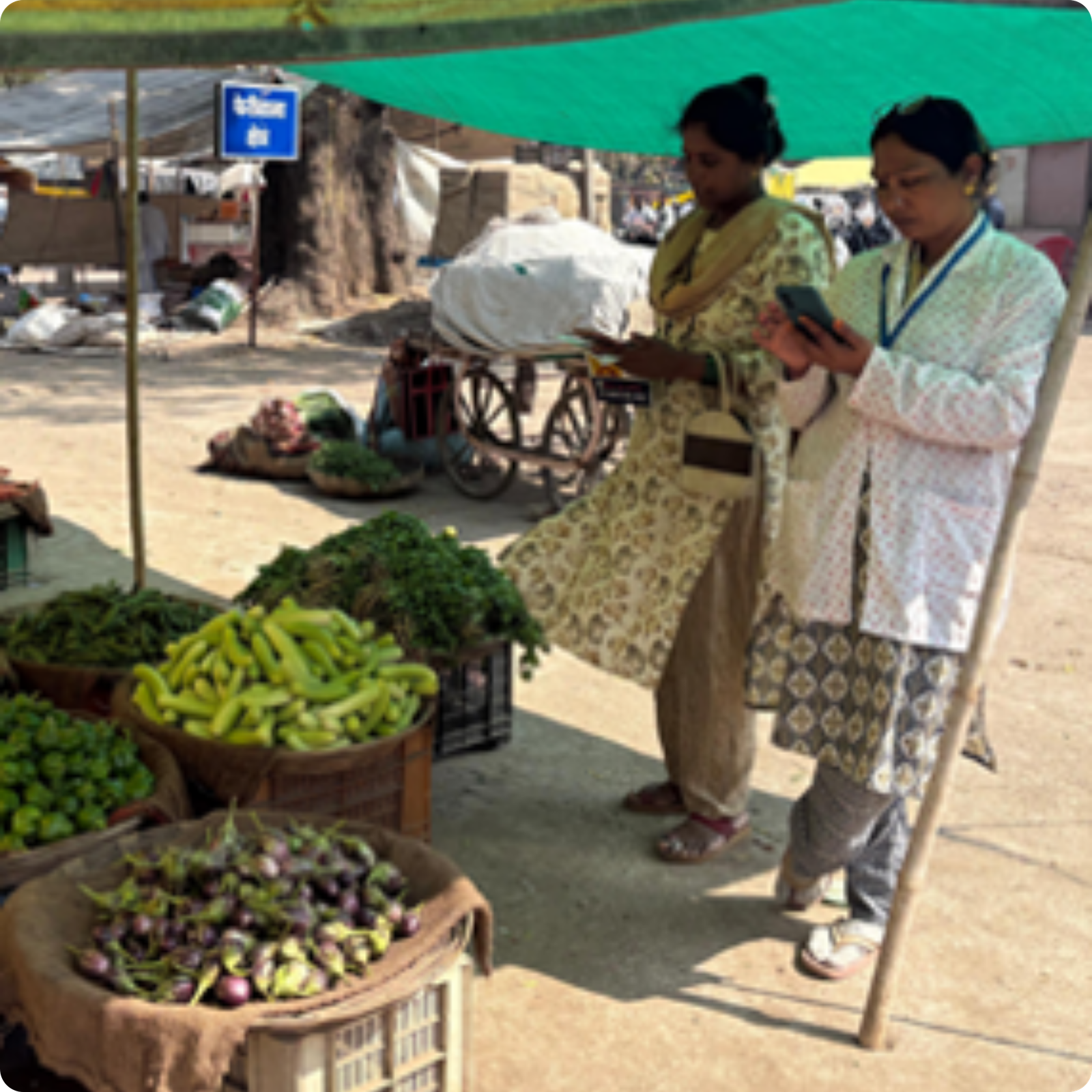
LAST-MILE IMPLEMENTATION
Taking action where waste-management challenges actually occur
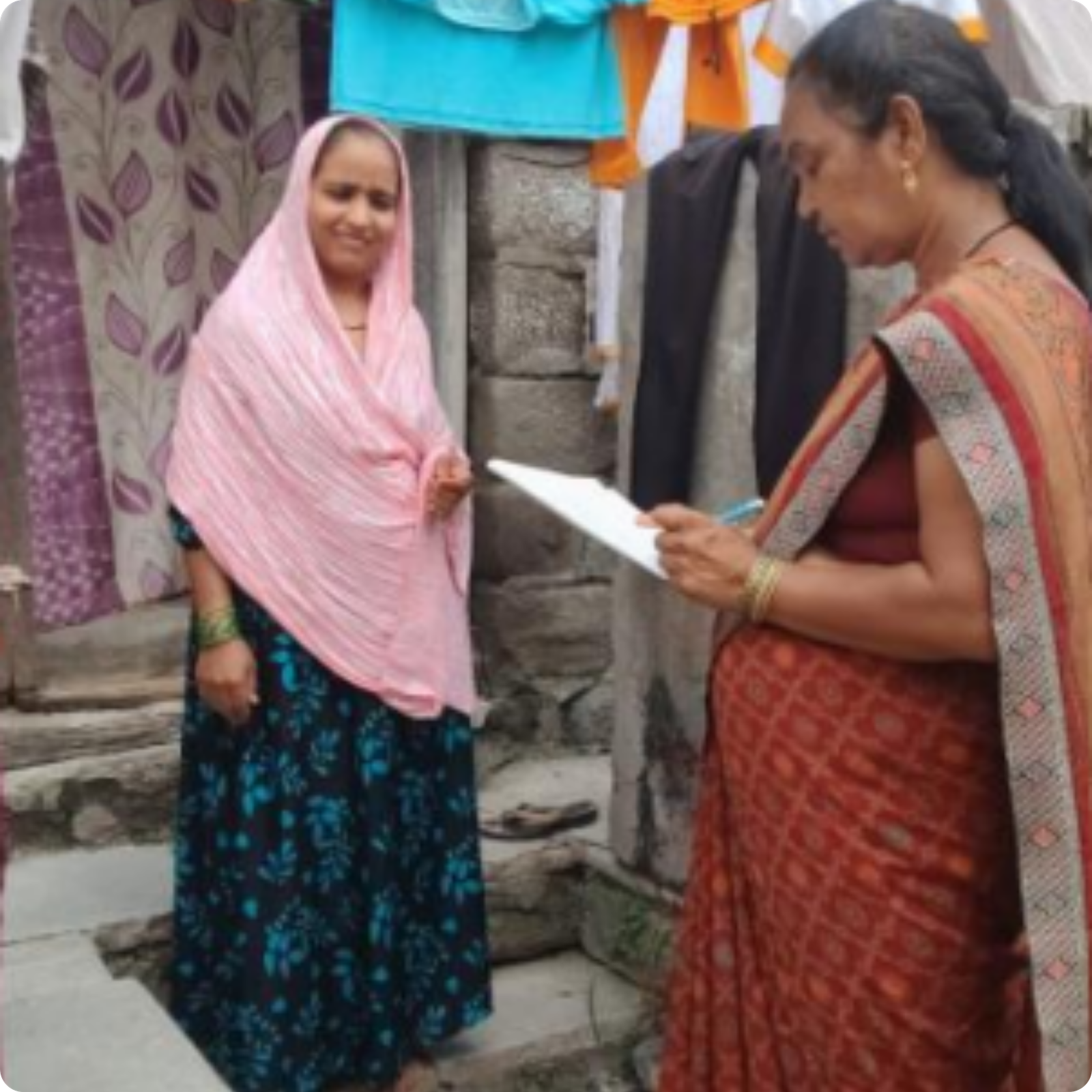
We don't begin with an intervention. We begin with understanding
UNDERSTAND
Understand the city's waste and service reality
ALIGN
Bring the system and the community onto the same page
ENGAGE
Take the intervention to the last mile
CHANGE
Translate engagement into visible action.
SUSTAIN
Build mechanisms for the change to continue.
WHAT MAKES OUR APPROACH DIFFERENT?
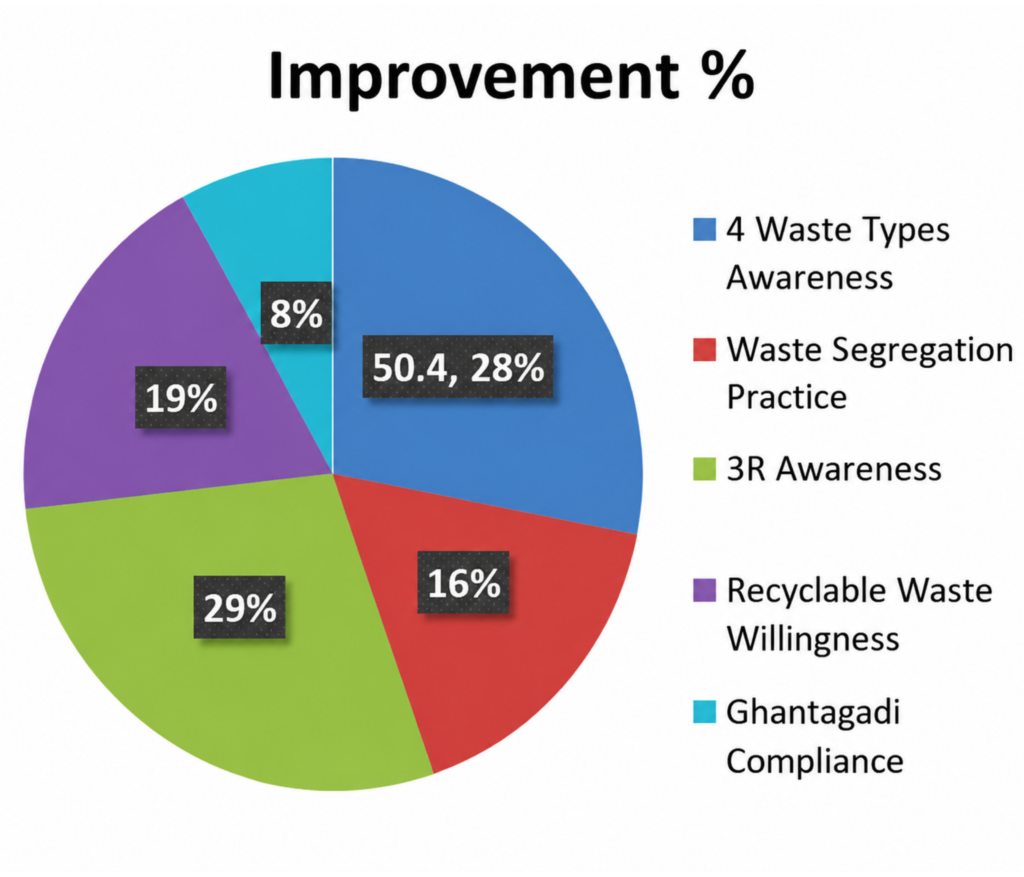
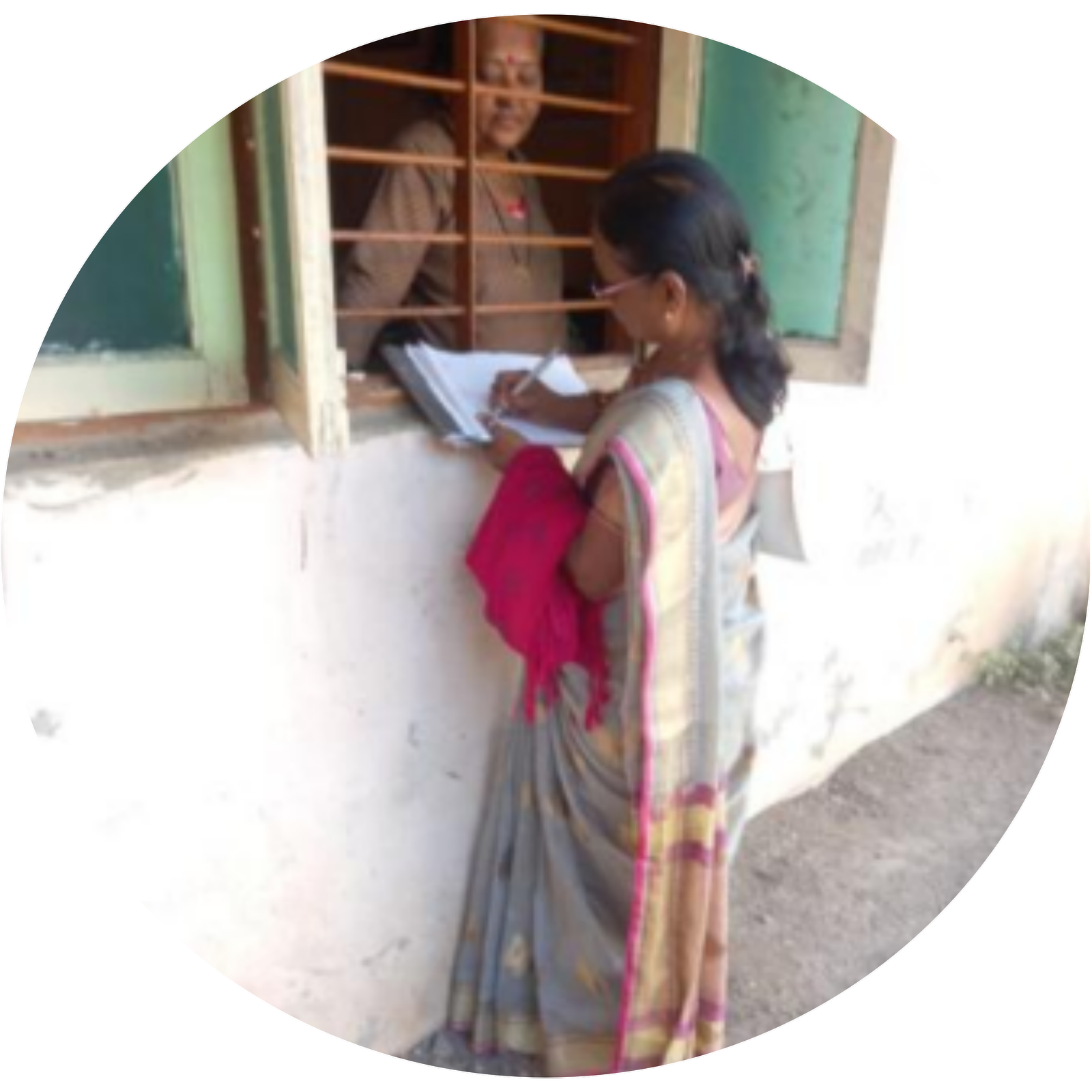
We identify where the problem is before deciding what to do.
We prioritise specific zones, GVPs, households and stakeholder groups.
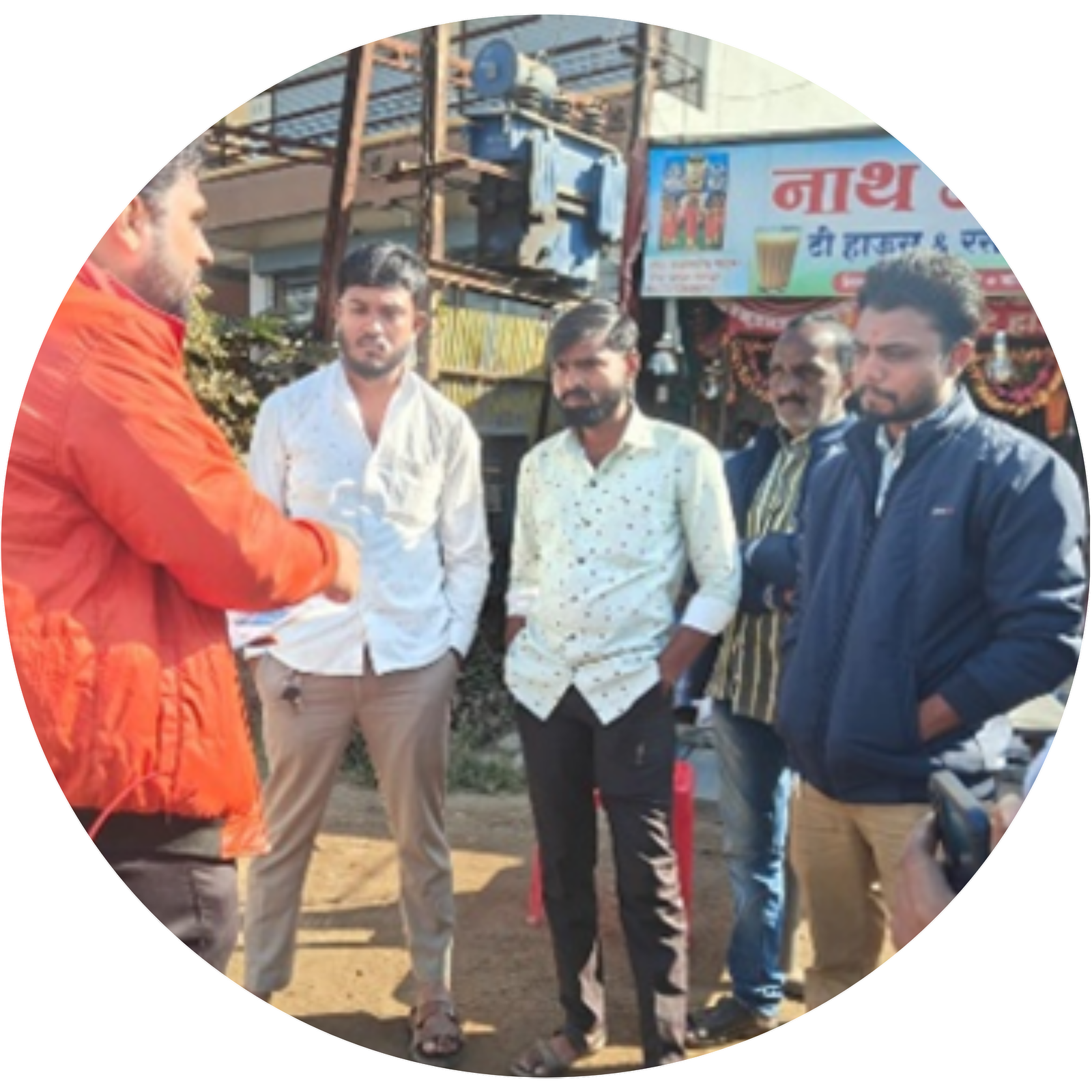
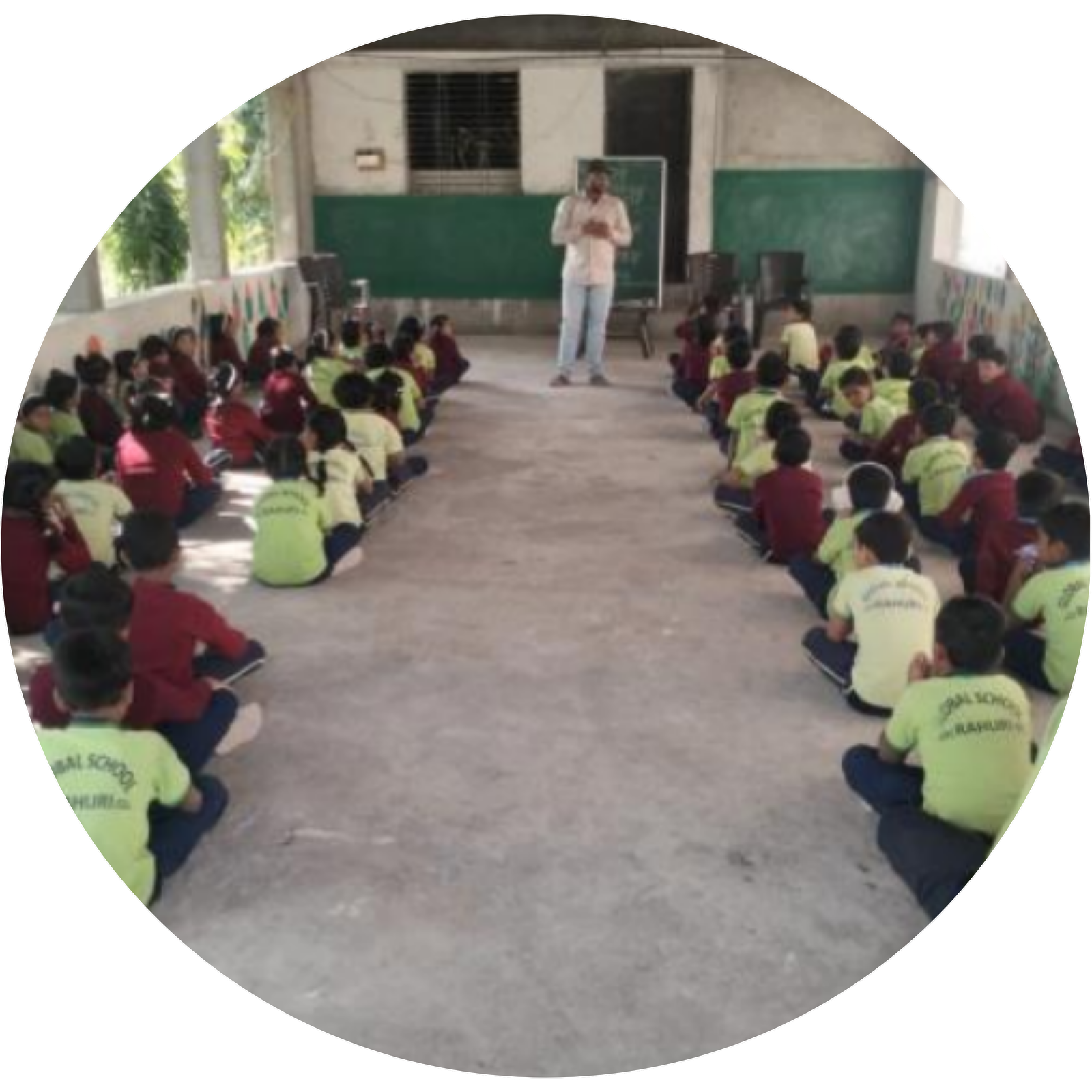
We don't treat citizens as recipients of awareness. We build them into the solution.
We work alongside the ULB and frontline teams rather than creating parallel systems.
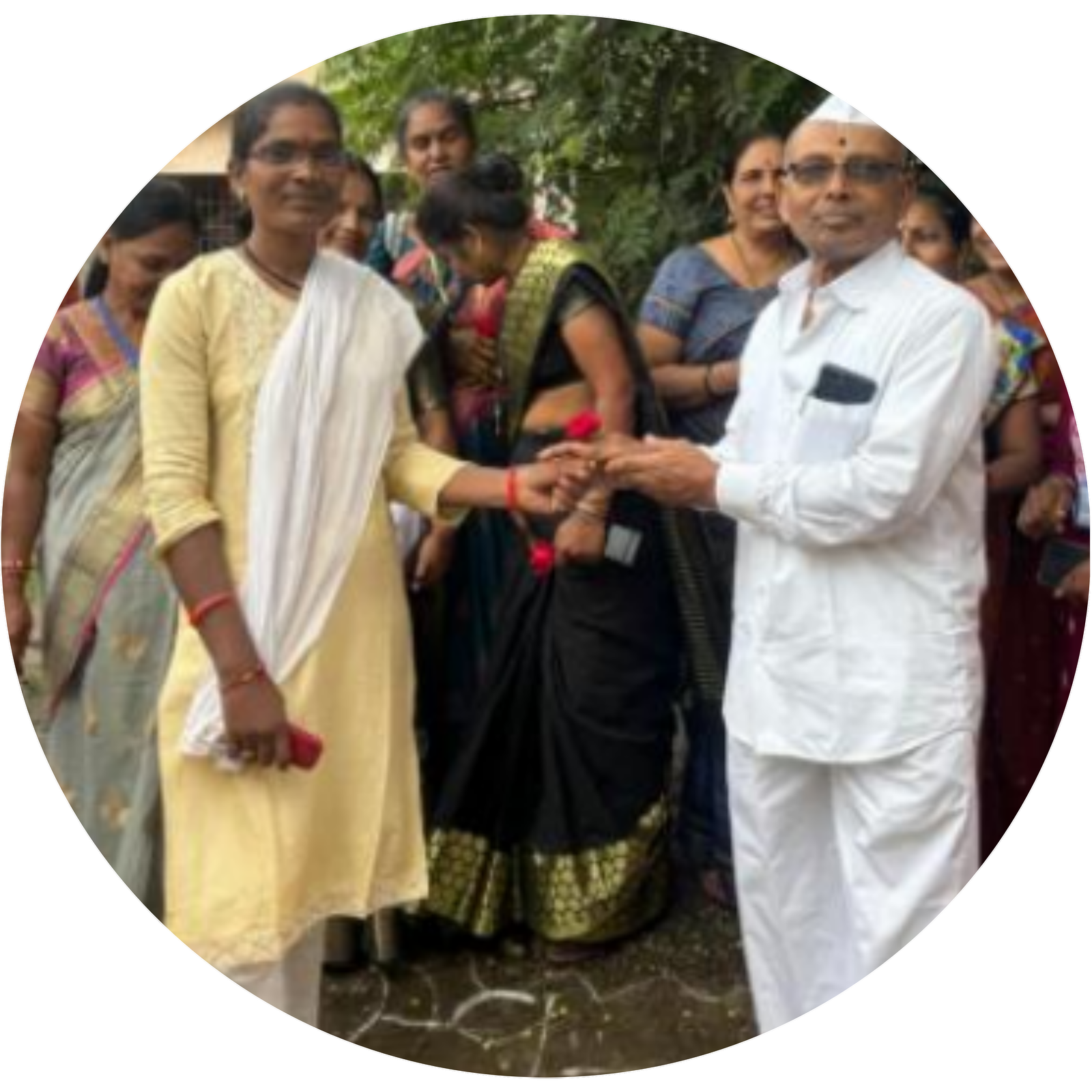
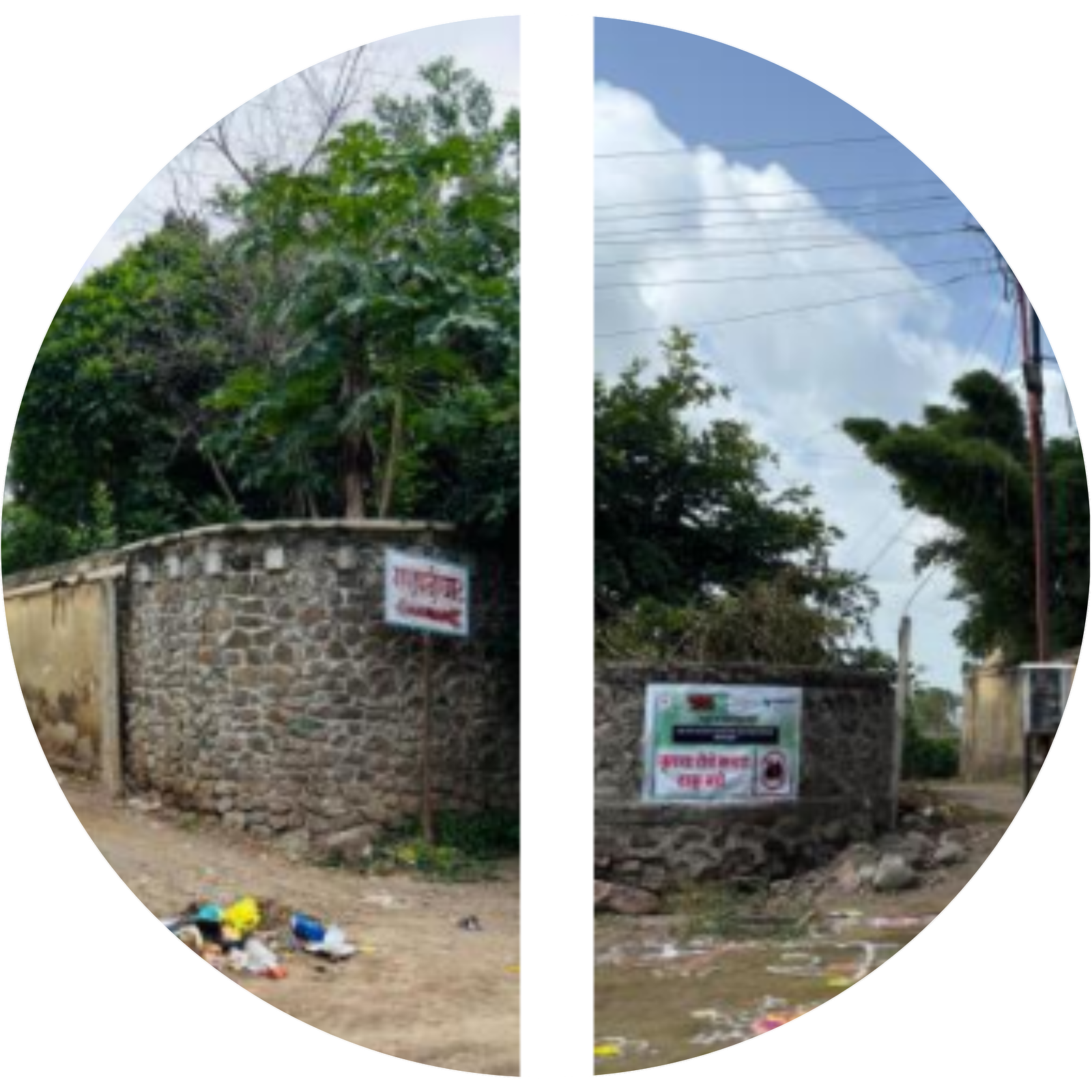
We track movement from baseline to intervention to outcome.
So, what changes when the approach is applied?
The shift is not just in activity. It is in how the local waste system functions — and how people participate in it.
FROM
The gaps we start with
- Fragmented collection
- Low segregation
- Recurring GVs
- Limited participation
TO
The changes we create
- Better-aligned services
- Improved household segregation
- Cleaner and monitored public spaces
- Stronger community participation
TOWARDS
The larger outcome
Cleaner, more accountable and more resilient local waste systems.
And what does change look like?
Impact is tracked across the system, the citizens, the community and the environment.
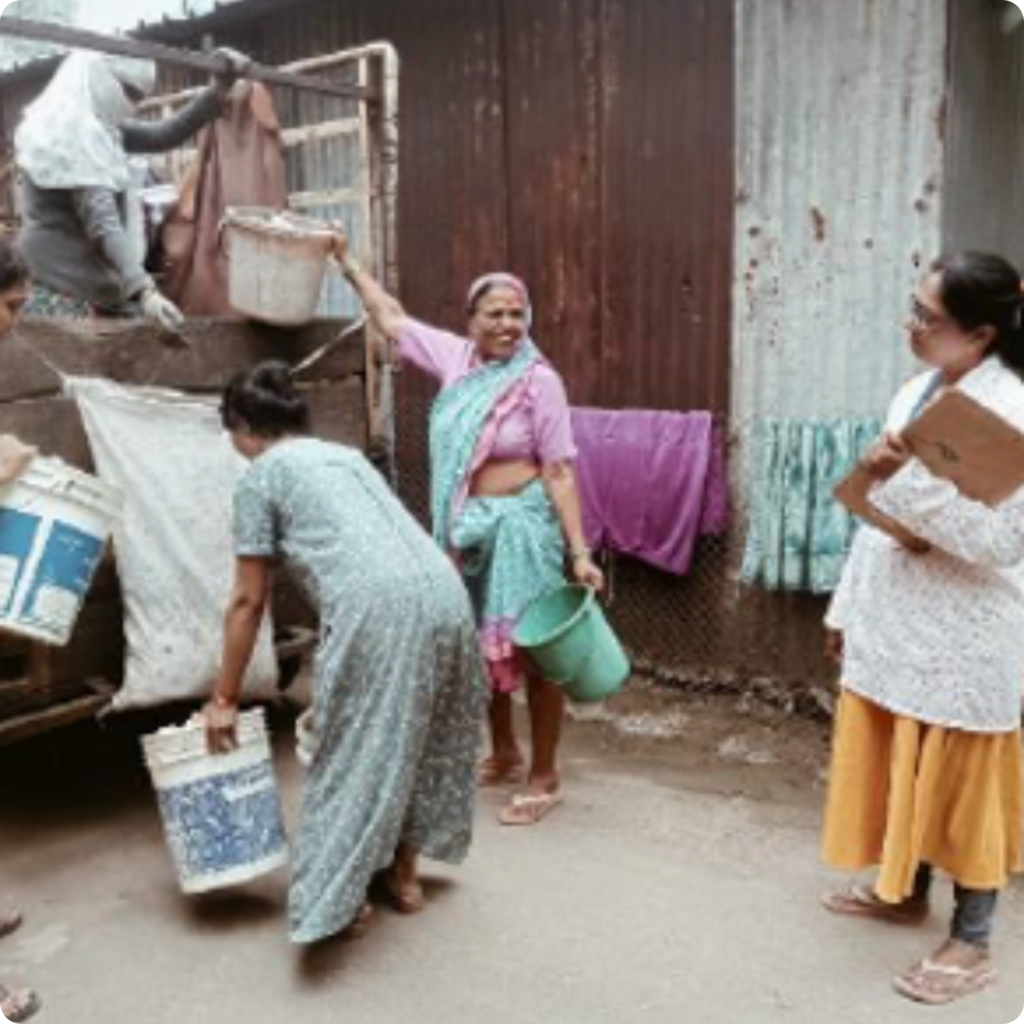
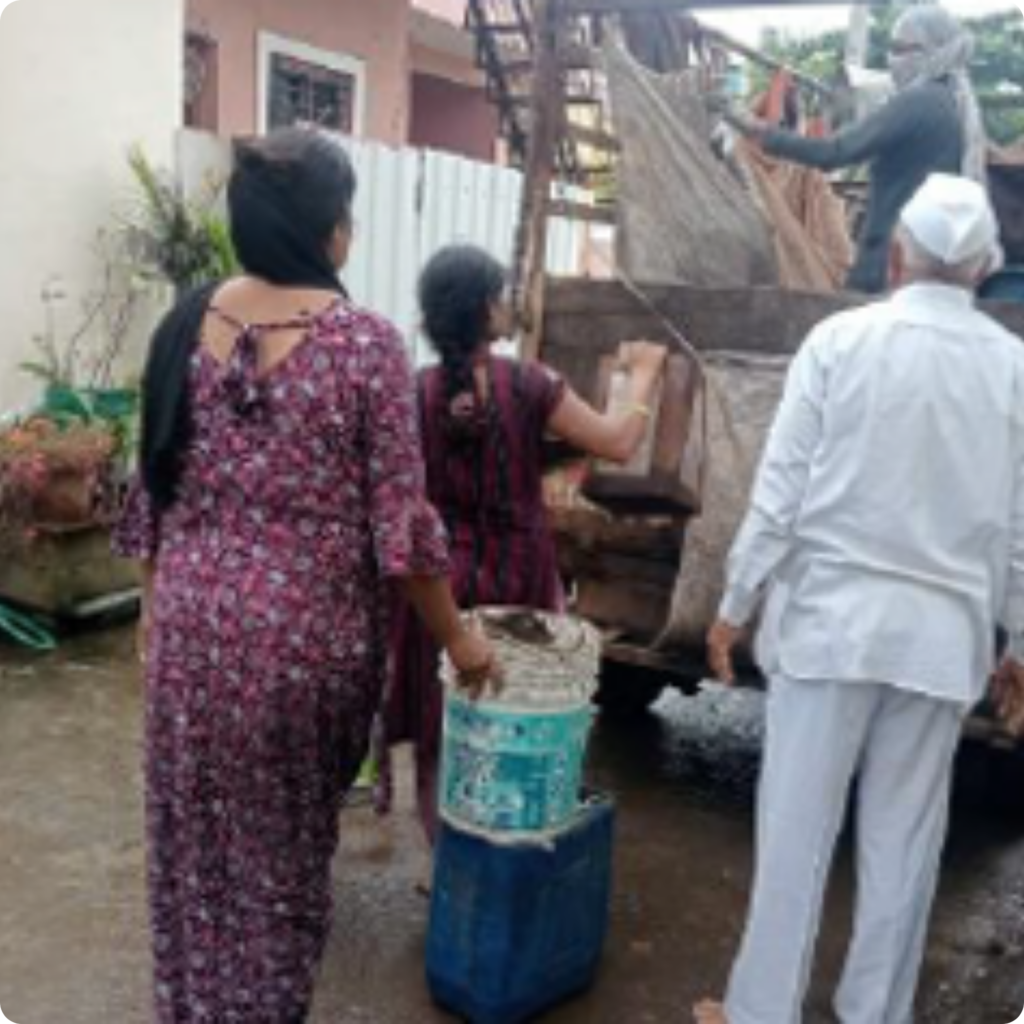
SYSTEM
Improved collection planning Municipal coordination Targeted interventions
BEHAVIOUR
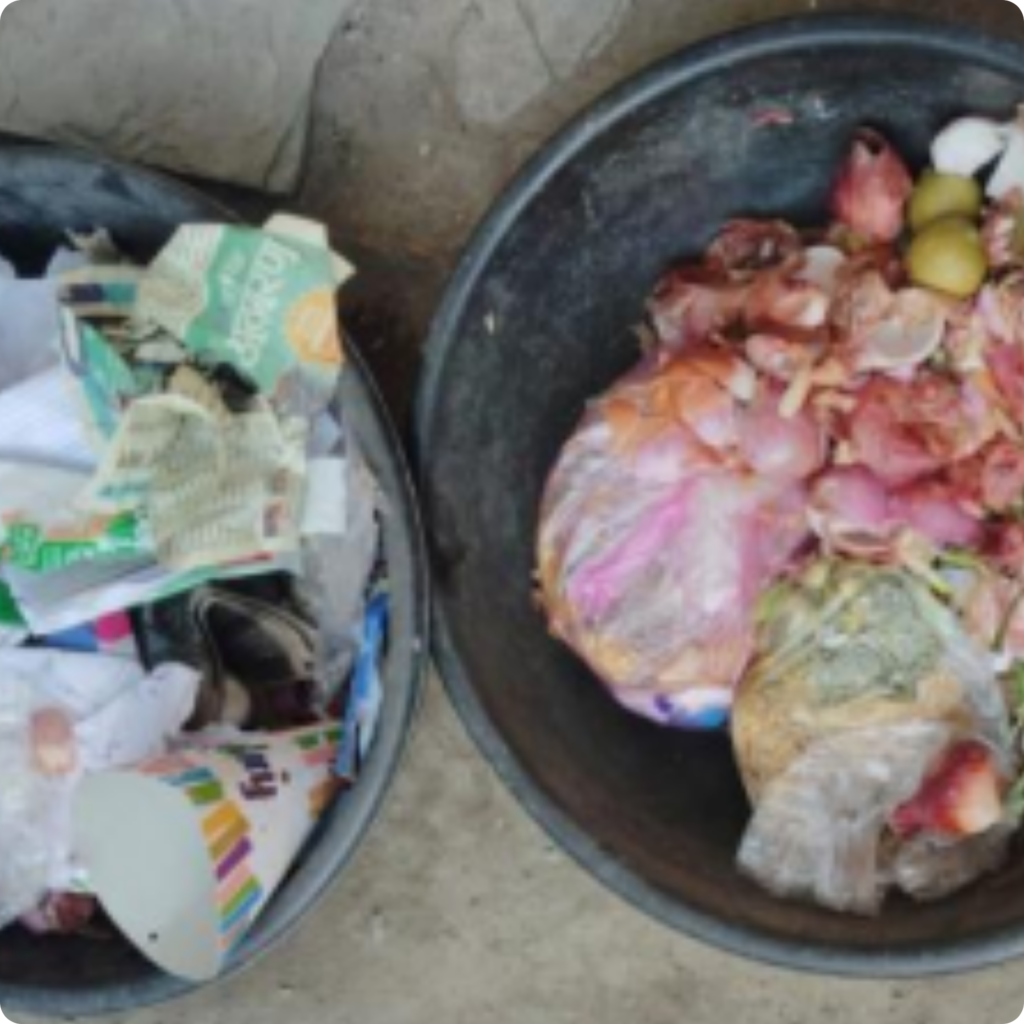
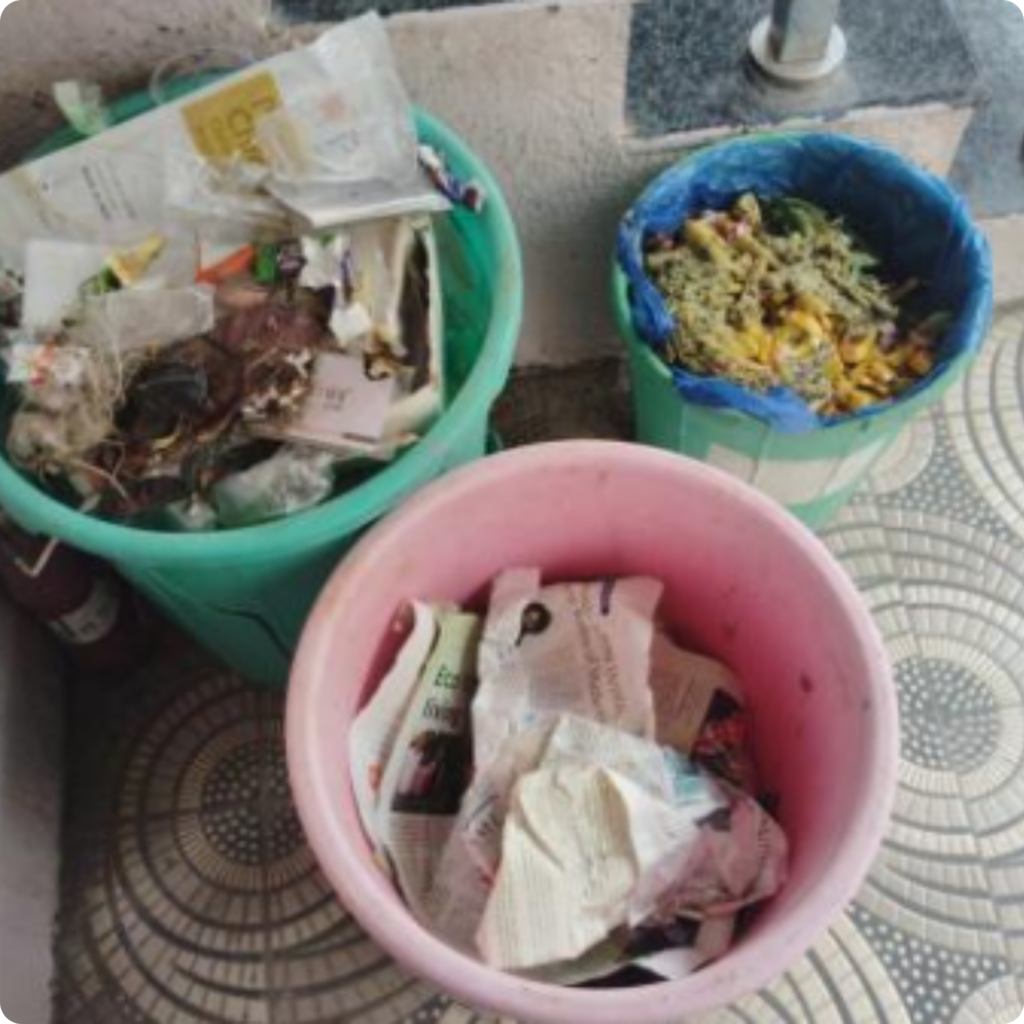
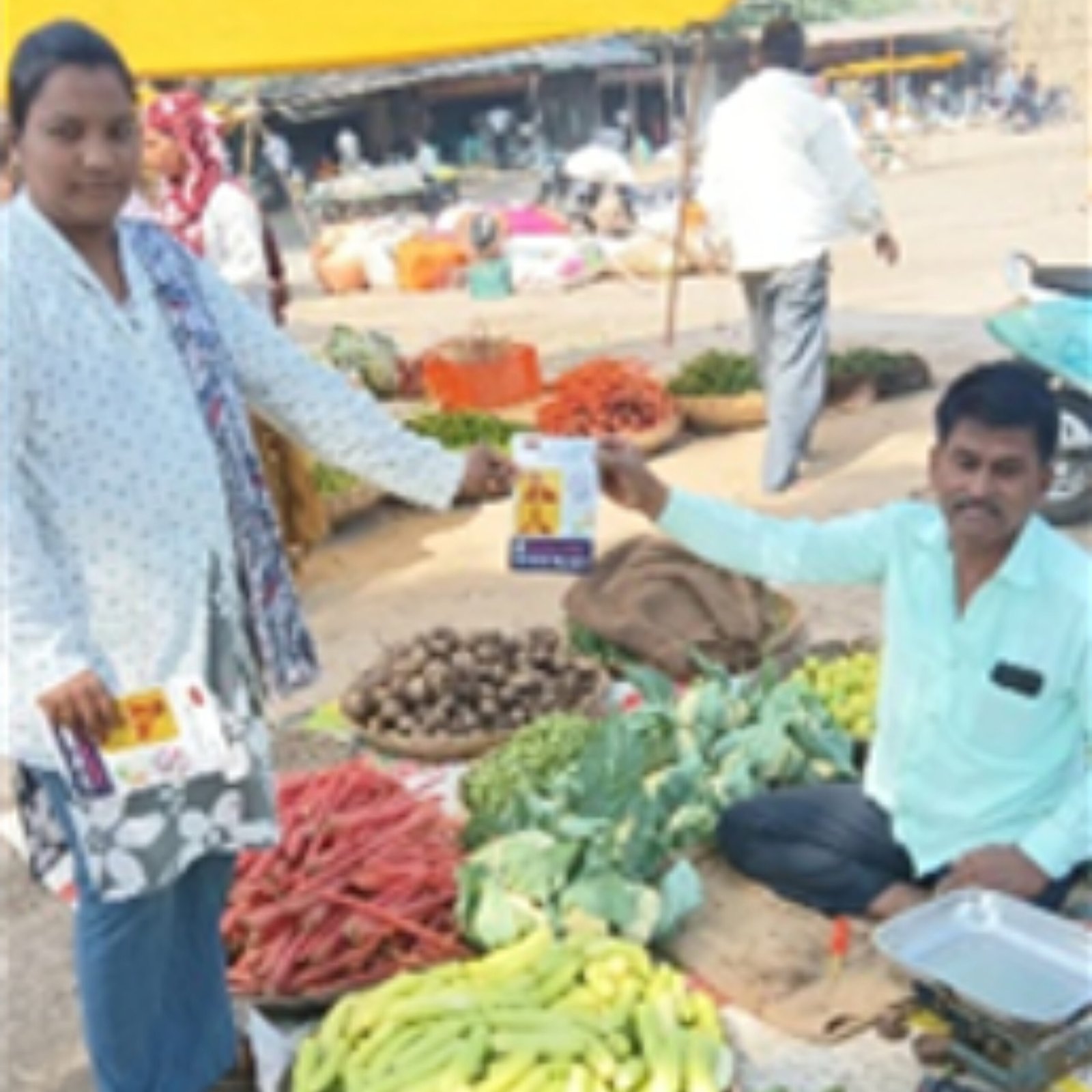
Better segregation
Reduced littering
Reduced single-use plastic
COMMUNITY
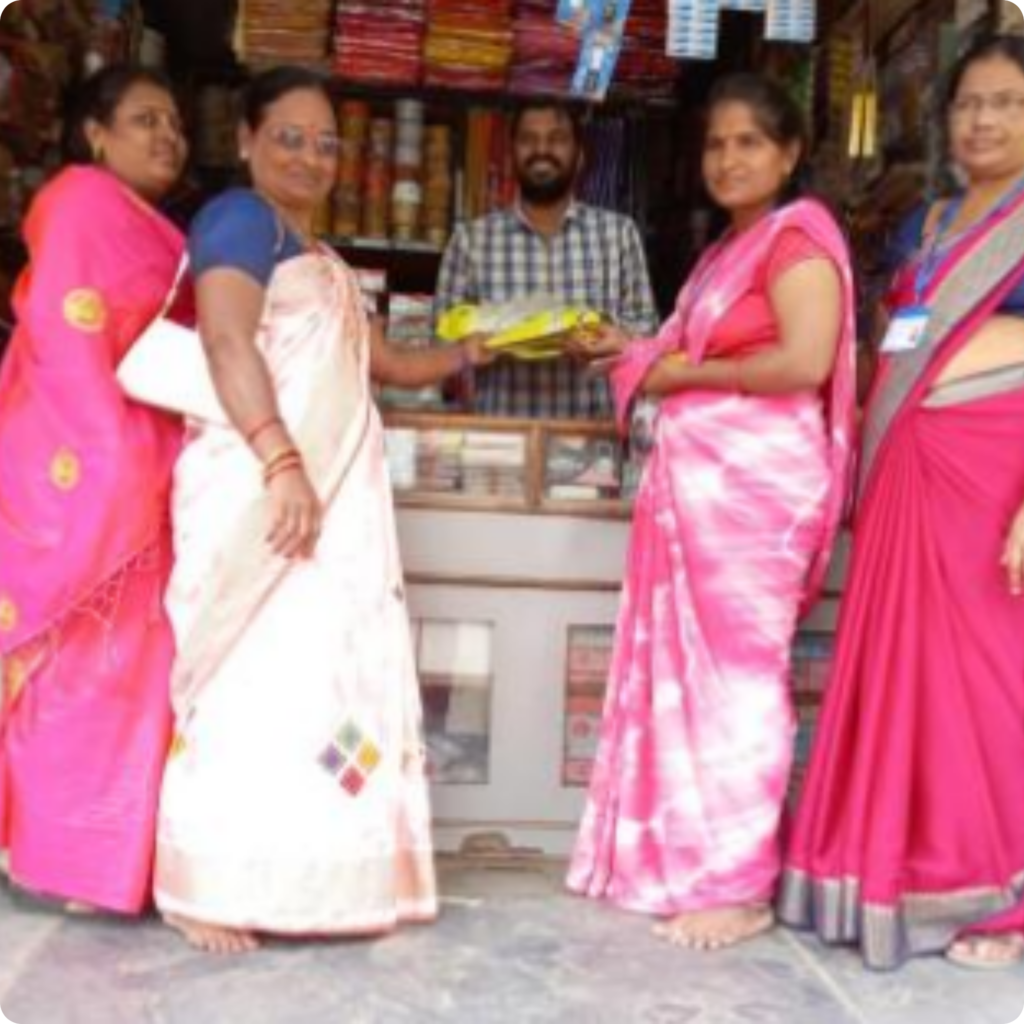
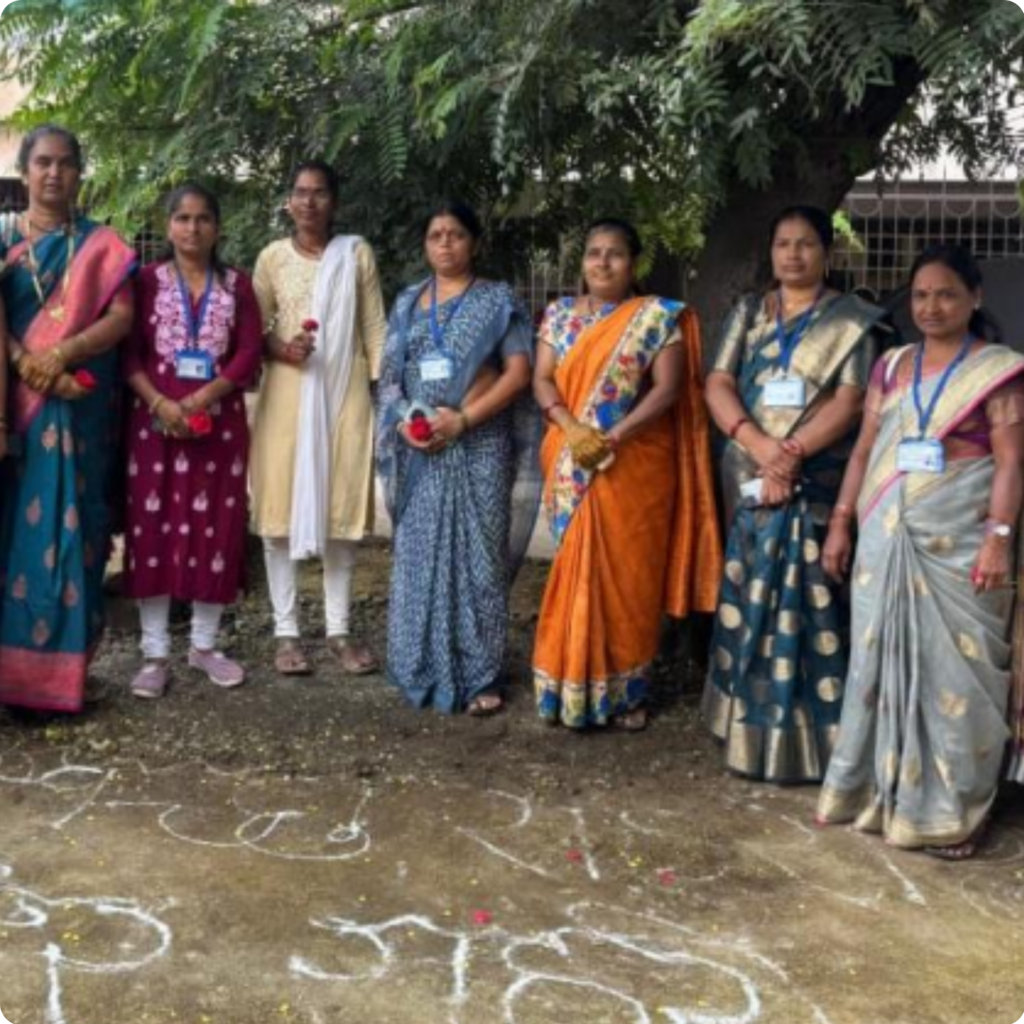
Women & frontline mobilisers
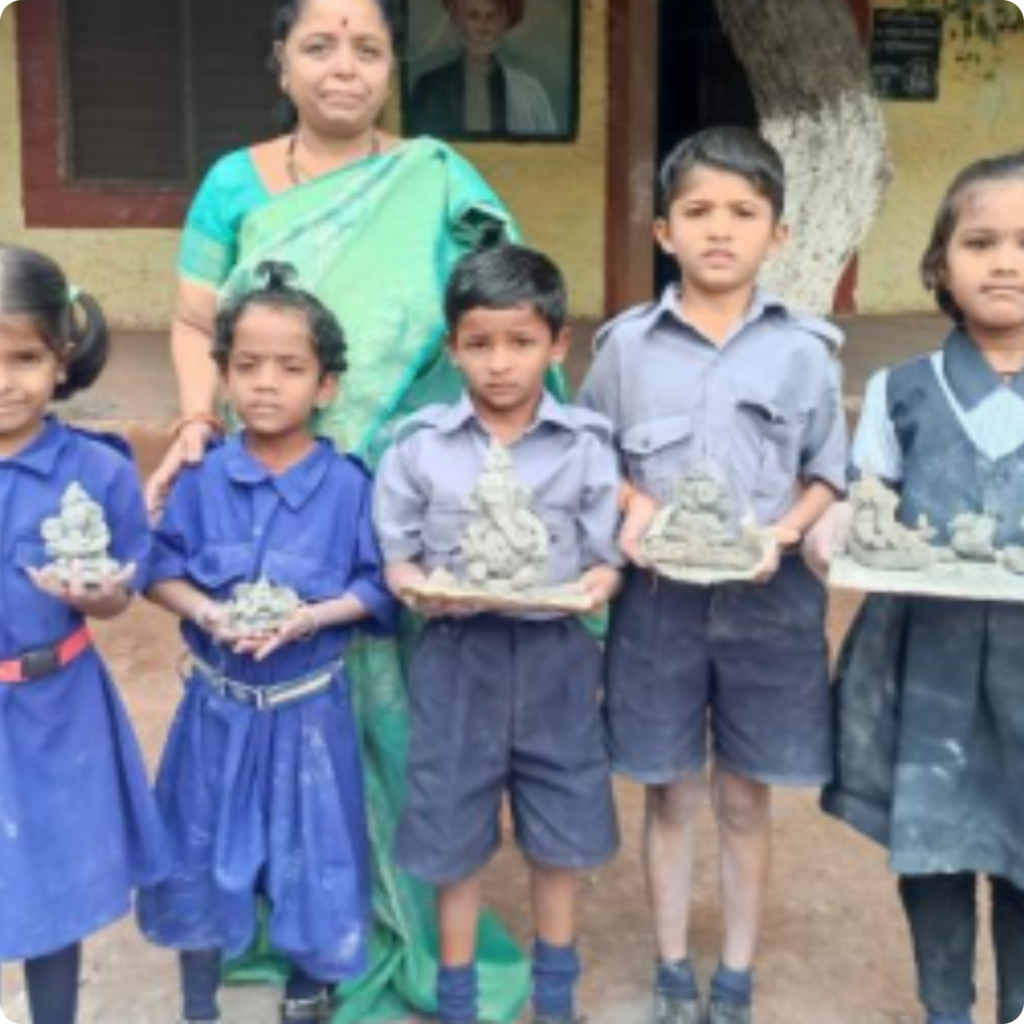
School participation
Citizen monitoring
ENVIRONMENT
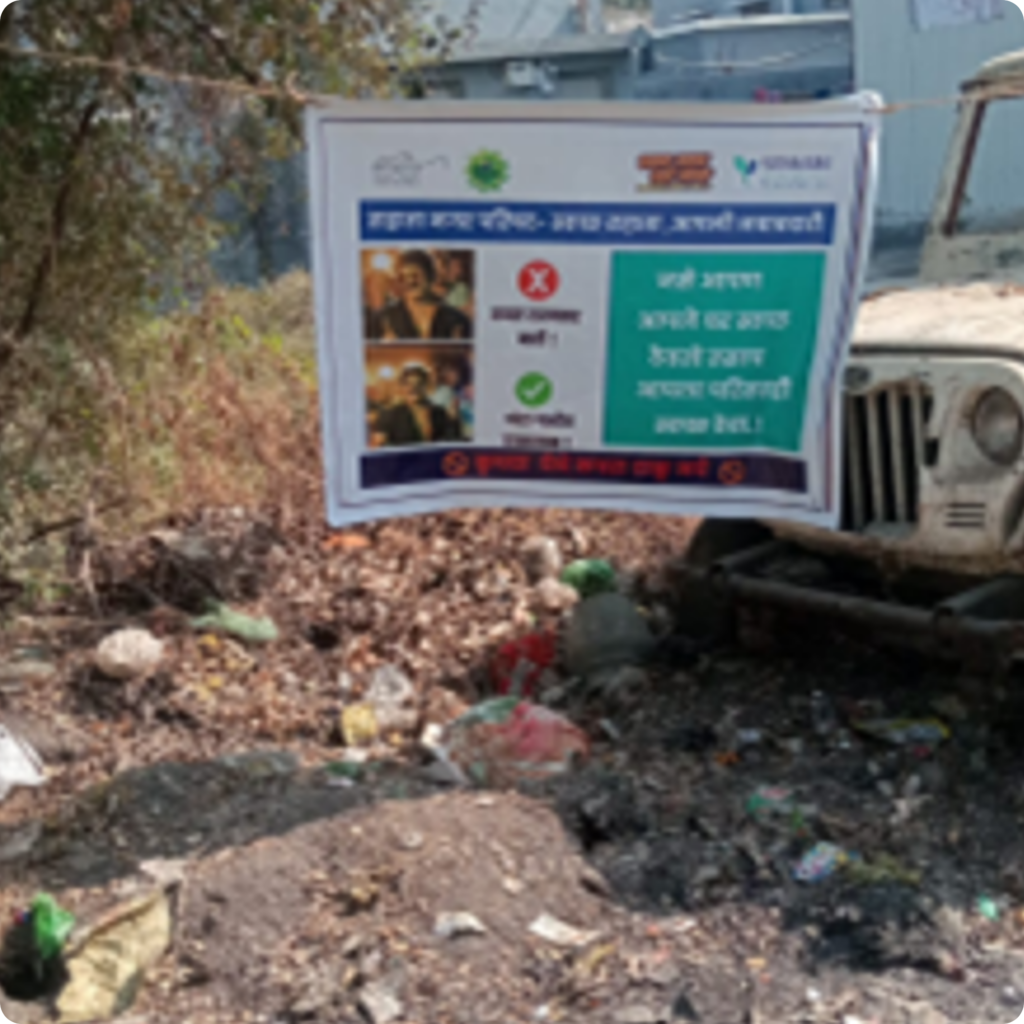
GVP elimination
Cleaner public spaces
Recovery & reuse
Activities tell us what we did. | Impact tells us what changed.
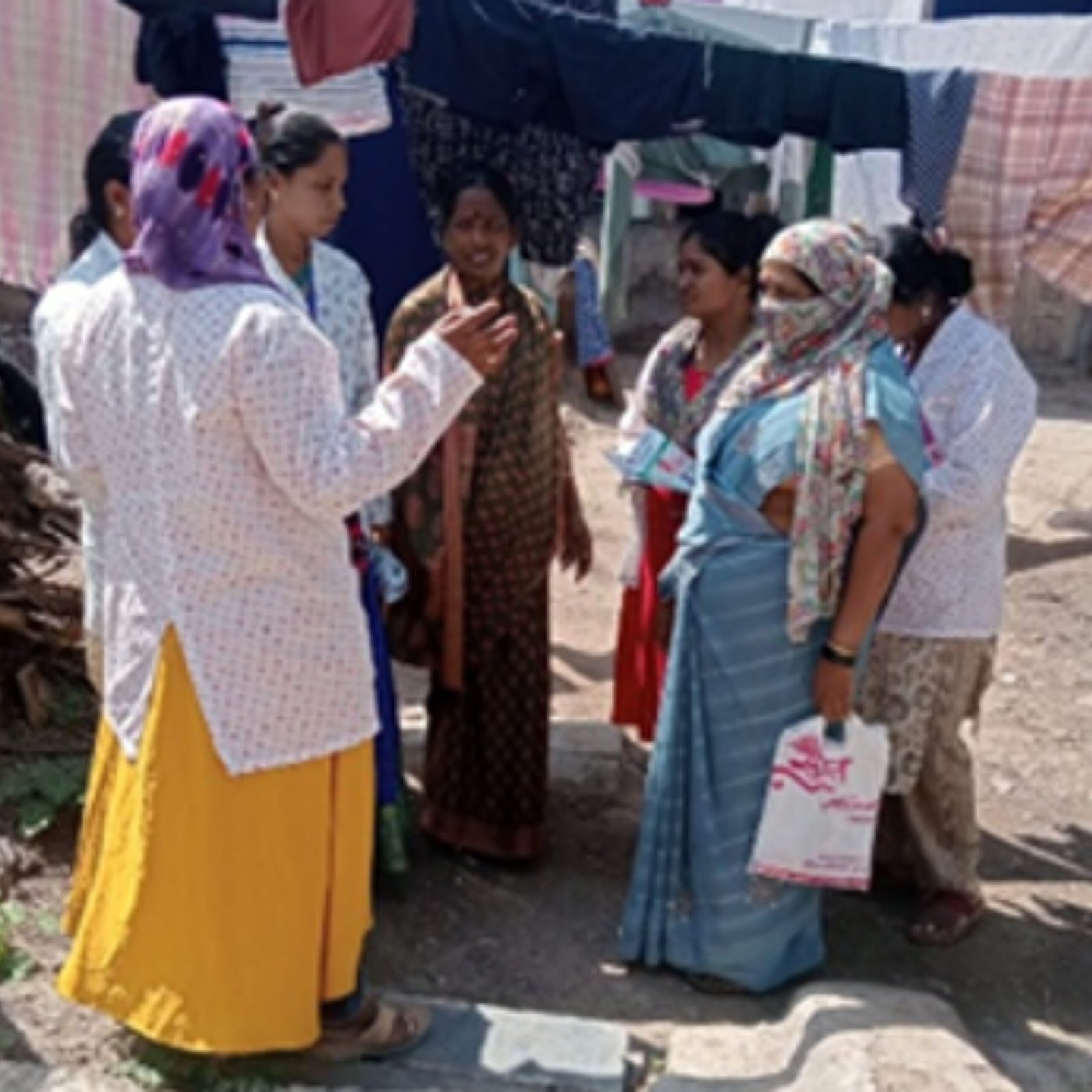
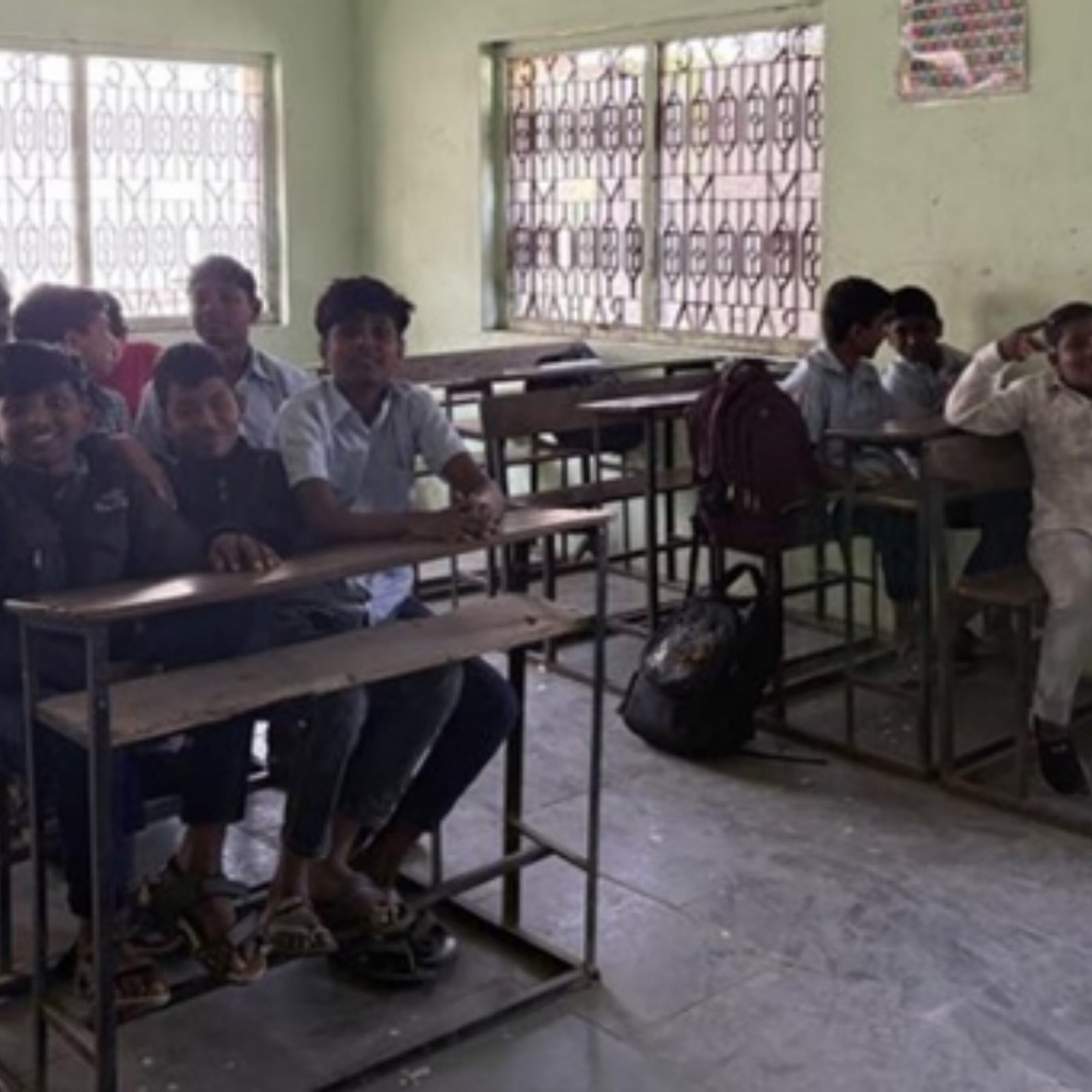
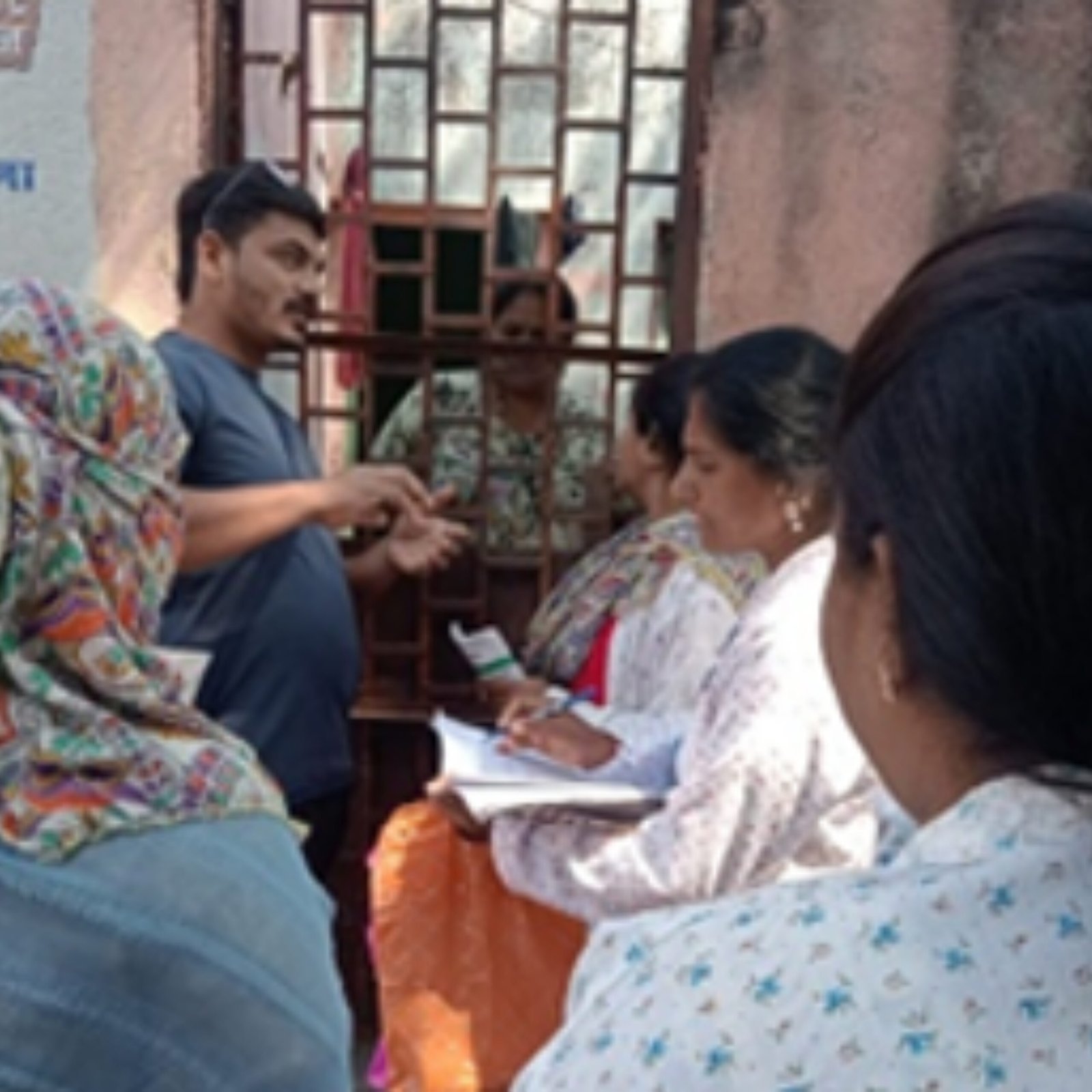
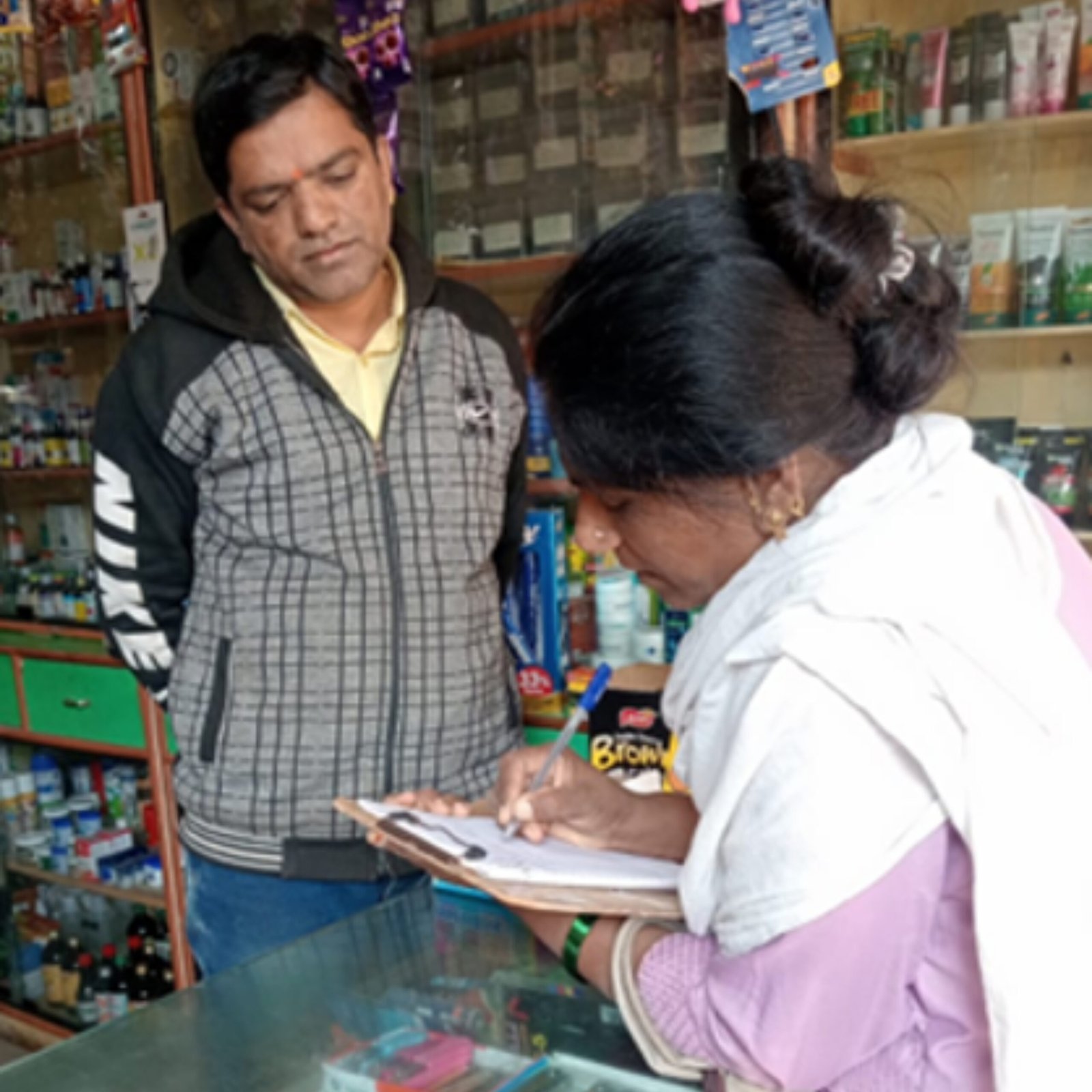
PROOF FROM THE FIELD
RAHATA
March 2026
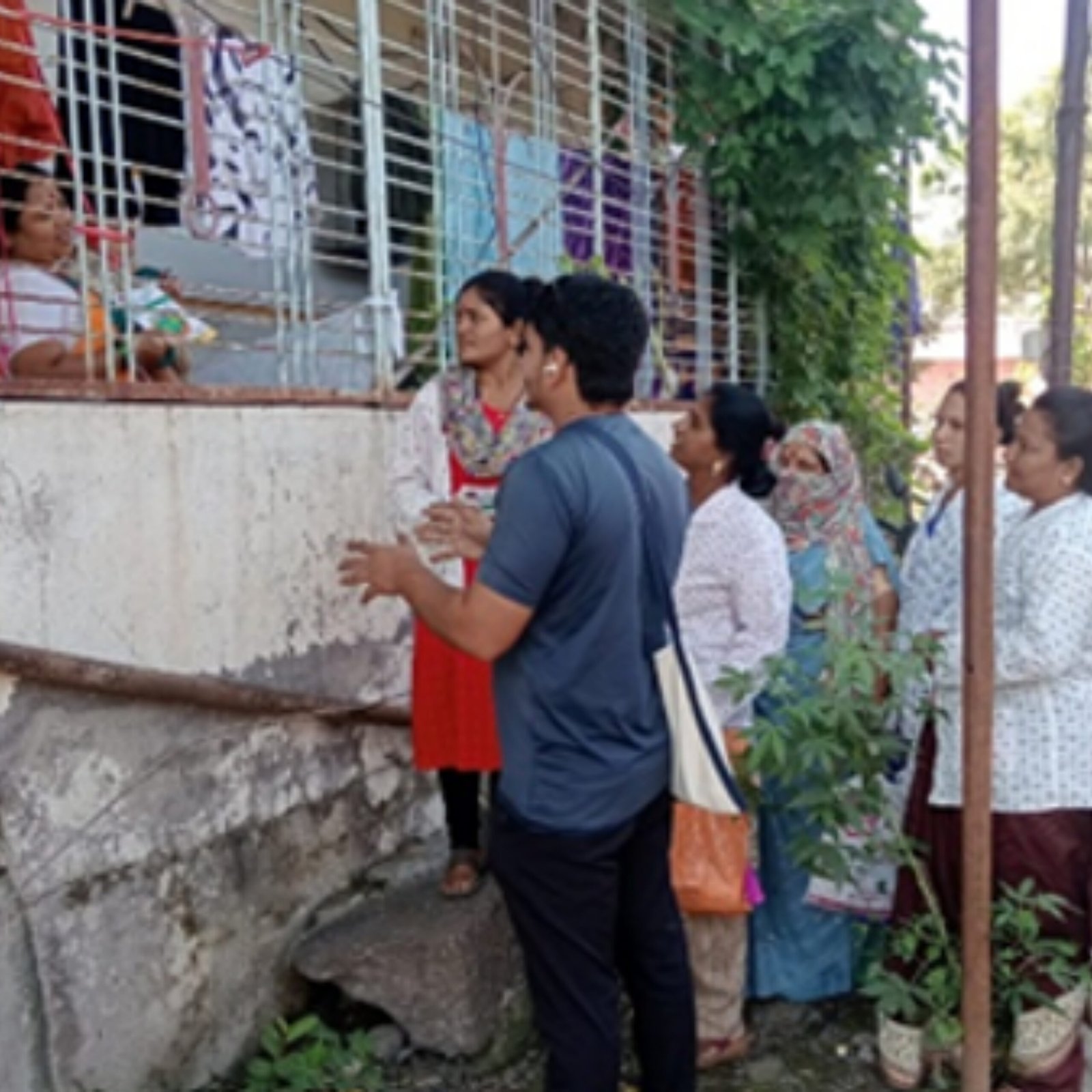
70%
HH segregation in key intervention areas
50%
Targeted areas shifted Red → Yellow
5
Major GVPs eliminated & stabilised
1500+
Citizens reached through campaigns
RAHURI
February 2026
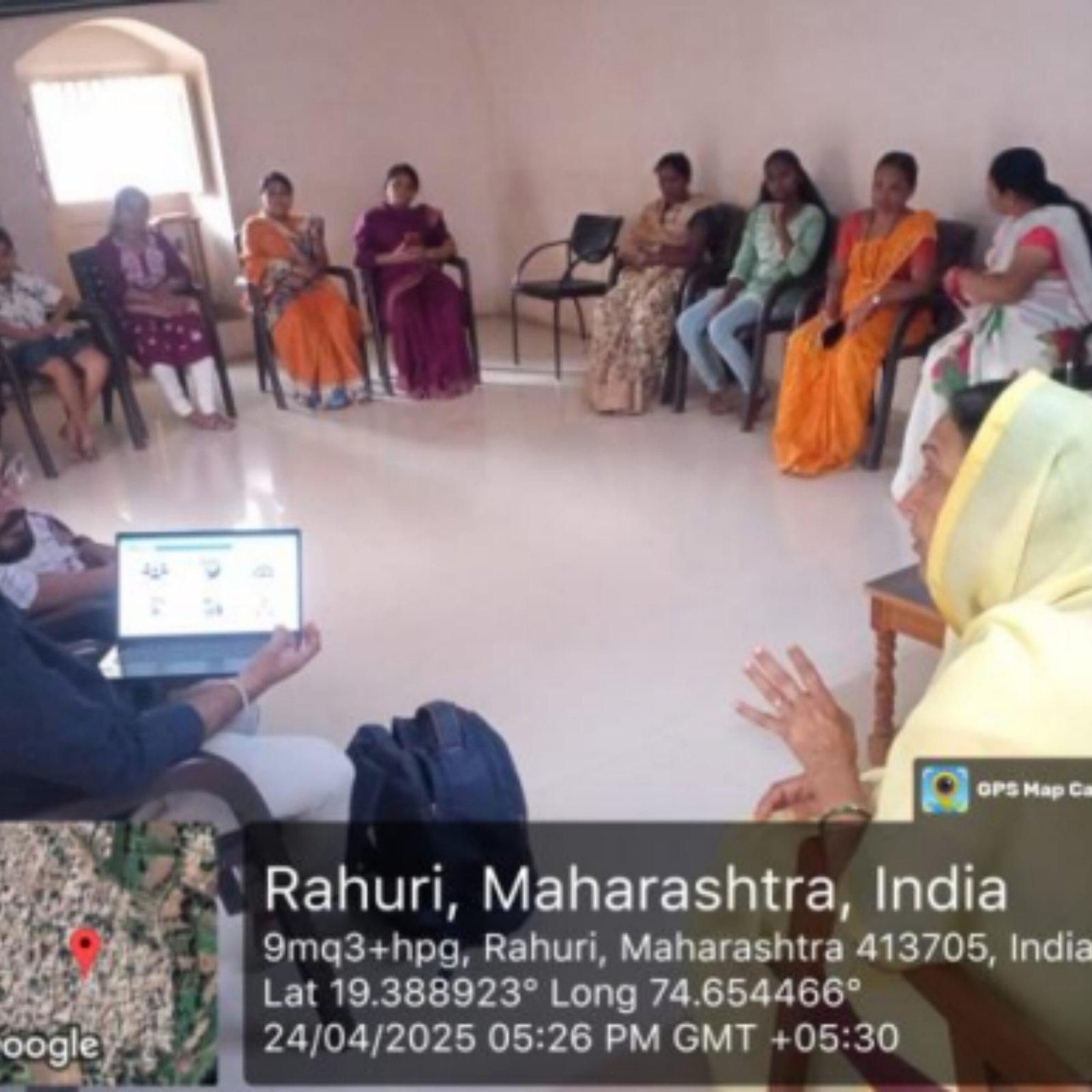
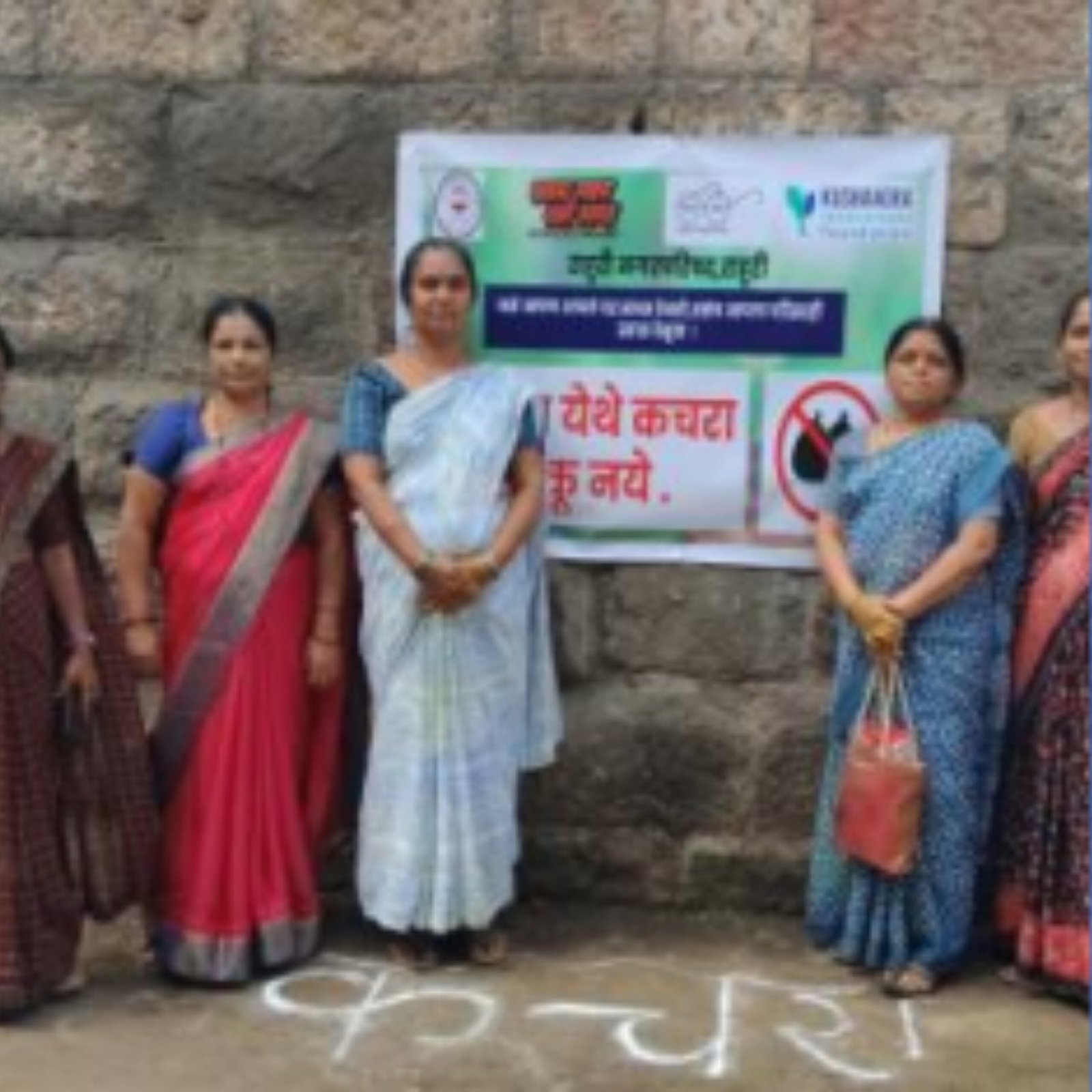
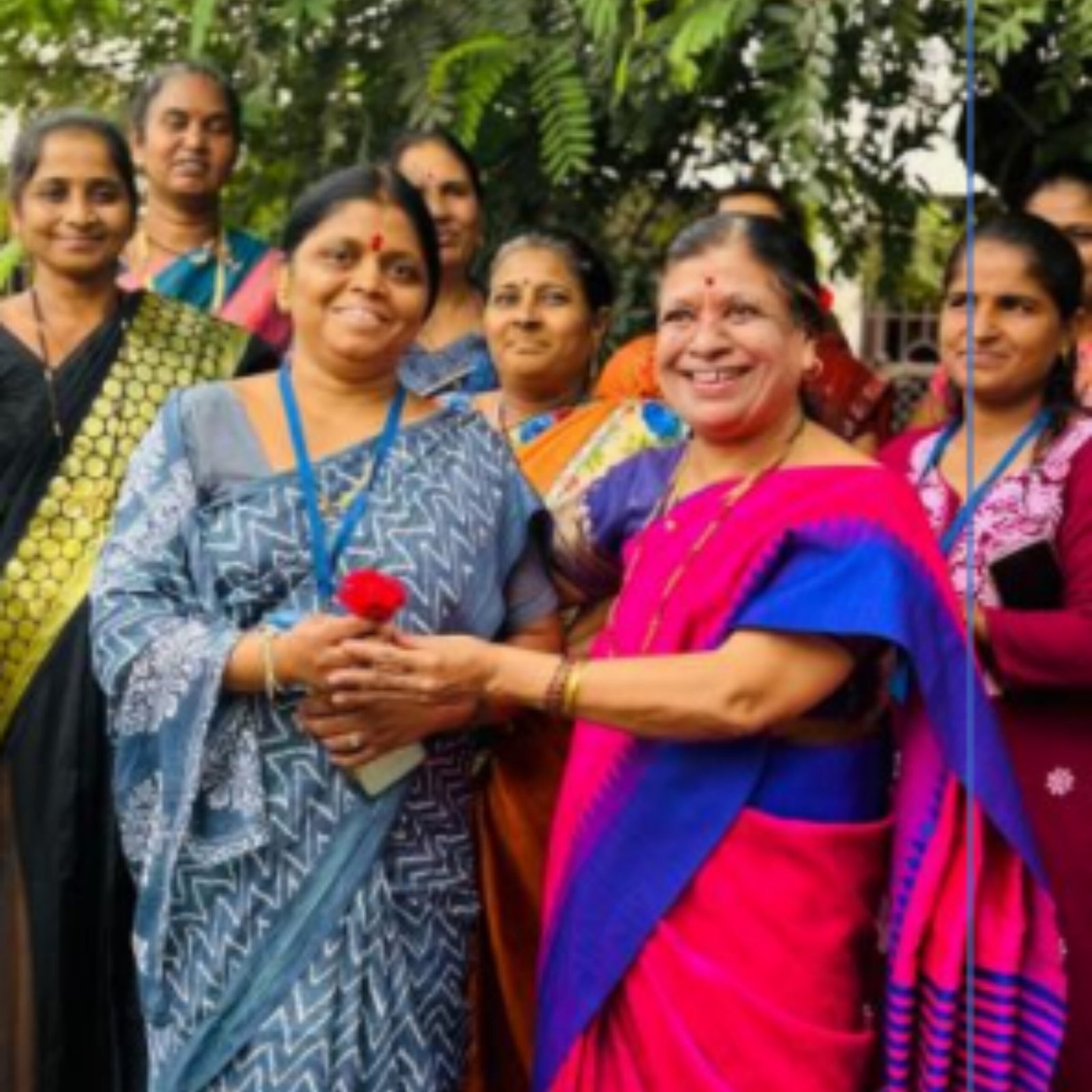
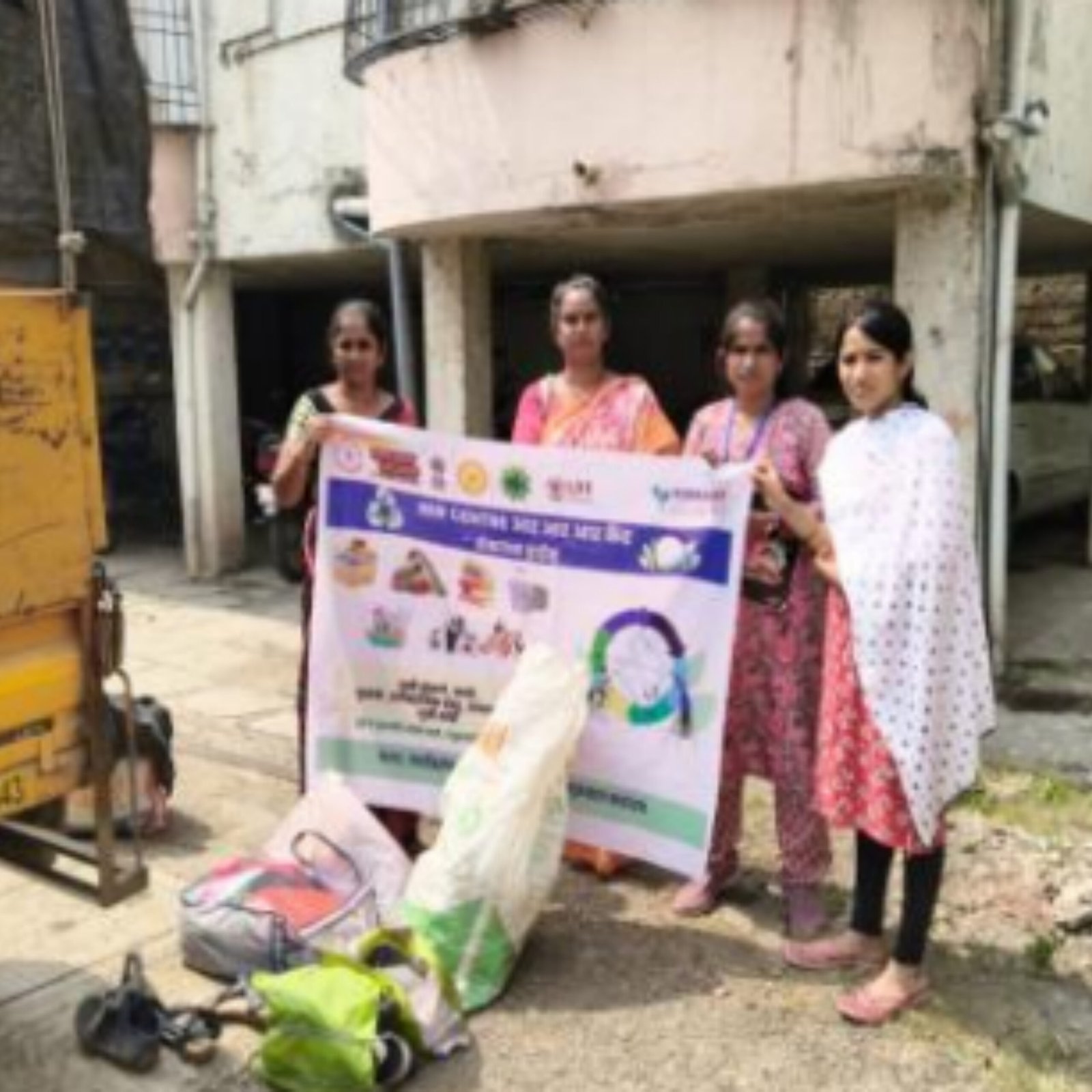
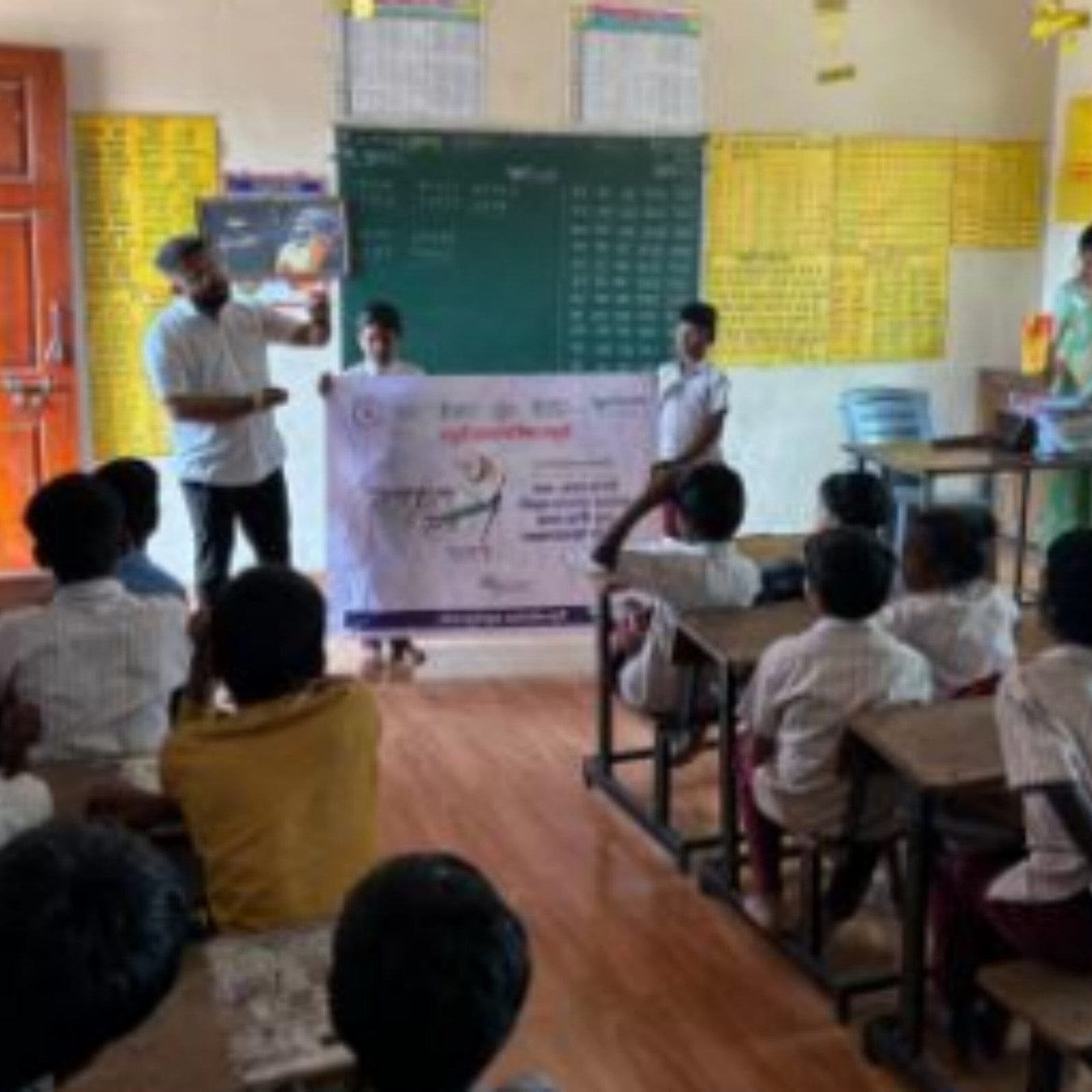
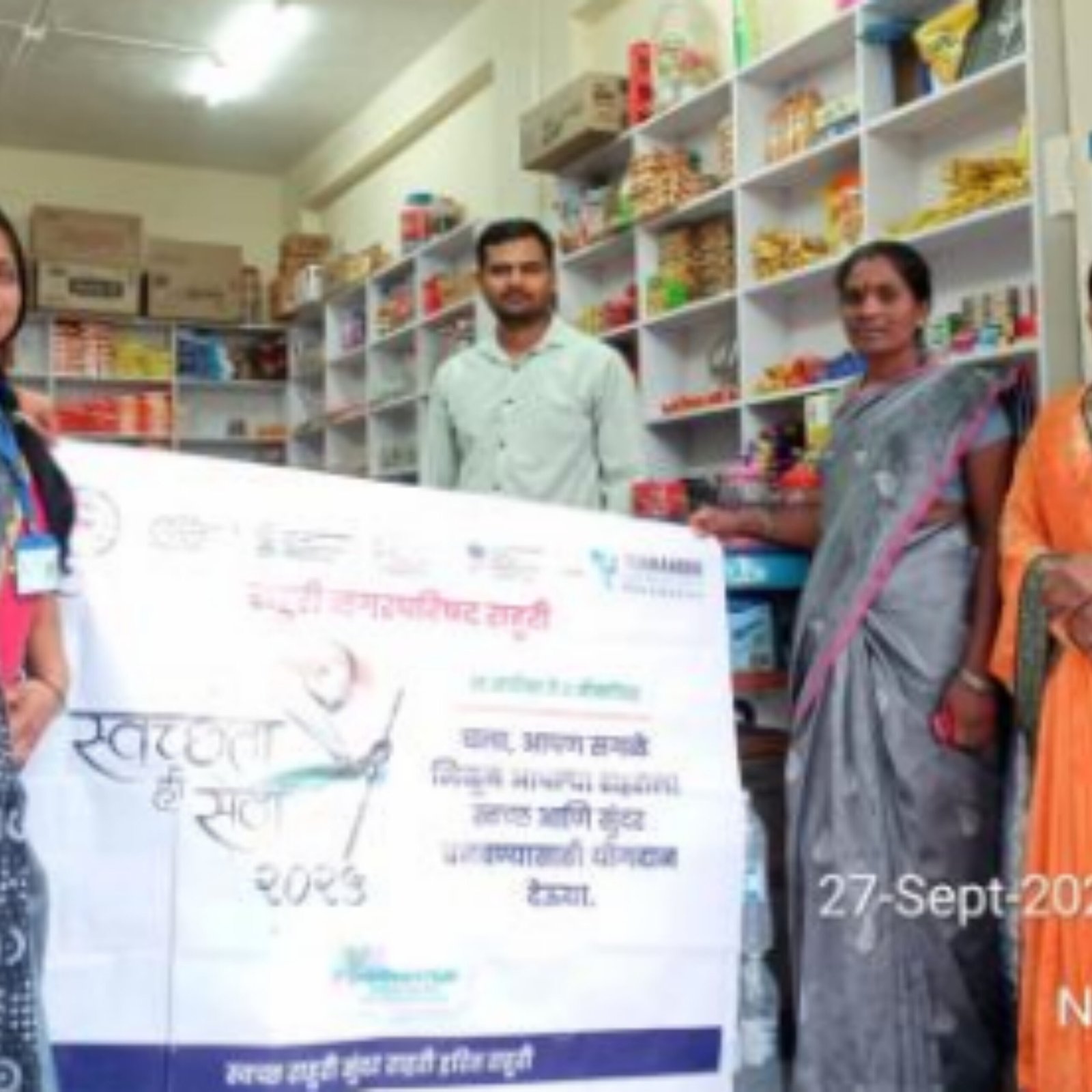
3
GVPs reduced & sustained clean
25
Households piloted home composting
275kg
Reusable material collected
5
Ward-level WhatsApp groups created
Change, Seen Through Their Eyes
“We came to the community thinking we had to tell people what to do. We soon realised that our first job was to listen—to understand what was really happening on the ground. When people began participating, taking ownership and becoming part of the solution, we saw a change that went beyond cleaner spaces. We saw confidence, responsibility and pride.”
-On-field Team
“Once we started segregating, talking to our neighbours and taking responsibility for our surroundings, we could actually see the difference. The biggest change was not just a cleaner lane—it was the feeling that this is our community, and we can make it better.”
-Citizen
“Parivartan helped us look at waste management differently. Instead of treating every problem the same way, we began to understand where the gaps were, work with the community and focus our efforts where they mattered most. What stood out was that the intervention did not create a parallel system—it strengthened the work already being done by our frontline teams and brought citizens into the process.”
-ULB Representative
Join Our Mission
Join us to create sustainable communities
and livelihoods together!
Phone Number
+91 – 7385953949
connect@kushaagra,org
SDGs Supported: Global Goals, Local Action