Building a Responsible Economy through ESR

Building a Responsible Economy

Harnessing ESR Principles for Long-term Success

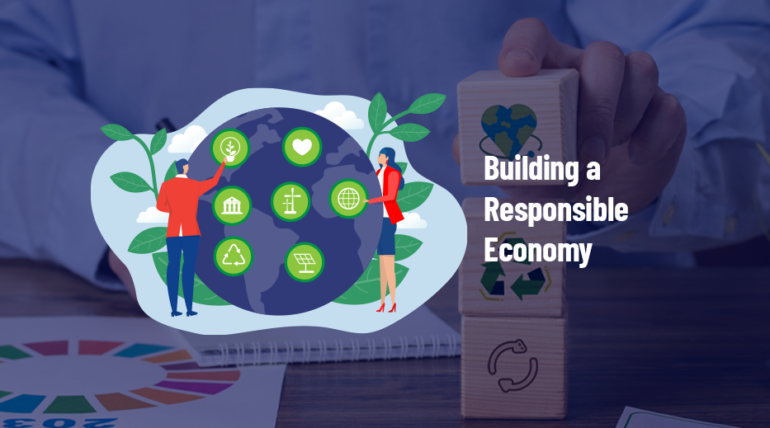
ESR (Environmental, Social, and Governance) is a framework that evaluates the sustainability and ethical impact of an investment or business decision. ESR takes into account a wide range of factors such as environmental impact, social responsibility, labor standards, human rights, and governance practices.

ESR involves evaluating a company’s performance in three areas:

  • Environmental Responsibility: This involves assessing a company’s impact on the environment, such as its carbon footprint, water usage, and waste management practices.
  • Social Responsibility: This involves assessing a company’s impact on society, including its treatment of employees, human rights practices, and community engagement.
  • Governance Responsibility: This involves assessing a company’s internal governance structures, such as its board of directors, executive compensation, and shareholder rights.

ESR projects are initiatives taken by companies or organizations to improve their environmental, social, and governance performance. These projects can take many forms, such as investing in renewable energy, reducing carbon emissions, improving employee working conditions, or implementing more sustainable supply chain practices.

Investment in the Environment and Solid Waste Management sector is an important aspect of ESR. Companies invest in this sector to address issues such as air pollution, water pollution, waste management, and climate change. The investment can take the form of equity, debt, or a combination of both.

In India, there are several companies that invest in ESR funding. Some of the prominent ones include:

  • Tata Capital: Tata Capital is a subsidiary of the Tata Group and provides finance for renewable energy projects and sustainable infrastructure.
  • Acumen: Acumen is a non-profit impact investment fund that invests in companies addressing social and environmental challenges.
  • IIFL Asset Management: IIFL Asset Management is an investment management firm that focuses on ESG investing in India.
  • Standard Chartered Bank: Standard Chartered Bank has committed to providing $75 billion in sustainable financing by 2025, including investments in renewable energy and sustainable infrastructure.
  • IDFC Asset Management: IDFC Asset Management is a fund management company that offers ESG investing options to its clients.

Overall, ESR is an important aspect of sustainable business practices, and investment in the Environment and Solid Waste Management sector can have a significant positive impact on the environment and society.

Read More
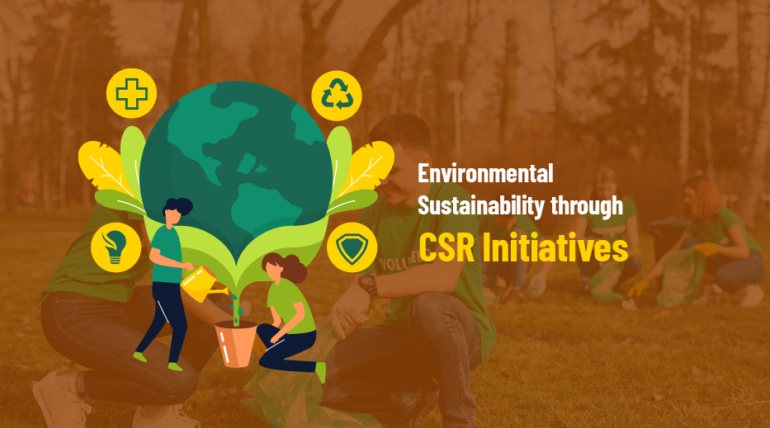
Environmental Sustainability through CSR Initiatives

Environmental Sustainability through CSR Initiatives

Promoting Positive Change in India

Corporate Social Responsibility (CSR) is a concept that refers to the responsibility of businesses to positively impact society and the environment in which they operate. It involves a commitment to conduct business in an ethical and sustainable manner and to contribute to the development of the communities in which the business operates.

In India, the concept of CSR was introduced in the Companies Act, 2013. Under the law, companies with a net worth of Rs. 500 crore or more, or a turnover of Rs. 1,000 crore or more, or a net profit of Rs. 5 crore or more in a financial year are required to spend at least 2% of their average net profits over the preceding three years on CSR activities.

CSR initiatives in India cover a wide range of areas, including education, healthcare, sanitation, women’s empowerment, environmental sustainability, and more. The government has also identified certain key sectors, such as education, healthcare, and environmental sustainability, as priority areas for CSR investment.

In terms of investment under the environment sector, companies in India have been increasingly focusing on initiatives that promote sustainability and conservation. These initiatives may include measures to reduce greenhouse gas emissions, conserve natural resources, promote renewable energy, and improve waste management practices.

Some examples of CSR initiatives in the environmental sector in India include the following:

  • Tata Steel’s initiative to promote sustainable mining practices and reduce carbon emissions
  • Hindustan Unilever’s initiative to reduce its environmental footprint and promote sustainable living through its “Sustainable Living Plan”
  • Mahindra & Mahindra’s initiative to promote sustainable agriculture and reduce water consumption in agriculture
  • ITC’s initiative to promote sustainable forestry and reduce the environmental impact of its paper and packaging operations

Overall, CSR activities in India have the potential to make a significant impact on society and the environment. Through responsible investment and sustainable business practices, companies can contribute to the development of communities and help create a more sustainable future for all.

Under the environment sector, several companies in India have undertaken CSR projects focusing on various aspects of environmental sustainability, such as renewable energy, waste management, and biodiversity conservation.

Some examples of CSR initiatives under the solid waste management sector include:

  • Waste segregation and recycling: Companies may invest in programs that promote waste segregation and recycling in their communities. This can include providing recycling bins and educational materials to households, and partnering with local recycling facilities to process the collected waste.
  • Clean-up drives: Companies may organize clean-up drives to remove litter and debris from public spaces, such as parks, beaches, and waterways. These events can help raise awareness about the negative impacts of waste on the environment and promote community involvement in waste management.
  • Composting initiatives: Companies may support the establishment of community composting facilities, where organic waste can be processed into nutrient-rich compost that can be used for gardening and agriculture. This can help reduce the amount of waste sent to landfills and promote sustainable agricultural practices.
  • Waste-to-energy projects: Companies may invest in waste-to-energy technologies, such as anaerobic digestion or incineration, that can generate renewable energy from waste. This can help reduce greenhouse gas emissions and provide a sustainable source of energy.

Some companies that are involved in CSR projects under the solid waste management sector include:

  • Coca-Cola: The Coca-Cola Company has a global initiative called “World Without Waste,” which aims to collect and recycle the equivalent of 100% of its packaging by 2030. The company has invested in waste collection and recycling programs in many countries around the world, and has partnered with local governments and NGOs to promote sustainable waste management practices.
  • Unilever: Unilever has a sustainability program called “Clean Future,” which aims to eliminate the use of fossil fuel-based chemicals in its cleaning and laundry products by 2030. The company has also invested in waste reduction and recycling programs, and has committed to using 25% recycled plastic in its packaging by 2025.
  • Procter & Gamble: Procter & Gamble has a global sustainability program called “Ambition 2030,” which includes a goal to reduce its environmental footprint by 50%. The company has invested in waste reduction and recycling initiatives, and has committed to using 100% recyclable or reusable packaging by 2030.
  • Waste Management Inc.: Waste Management is a waste management company that provides collection, recycling, and disposal services to businesses and communities in North America. The company has invested in waste-to-energy and recycling technologies, and has a goal to divert 50% of waste from landfills by 2038.
Read More

Aligning ESG Goals and SDG Commitments

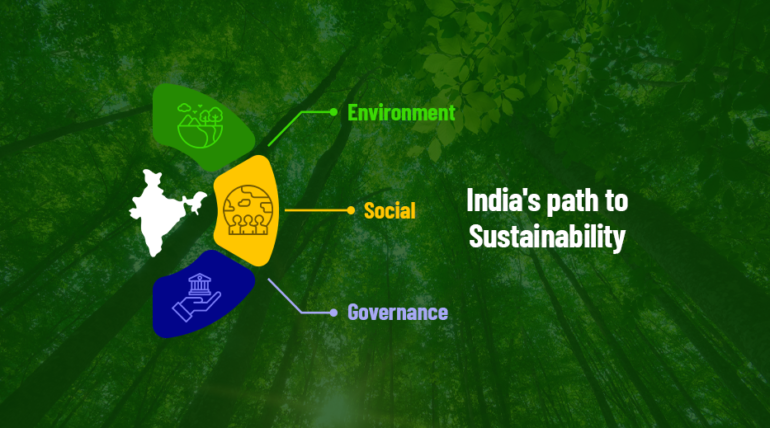
India’s Path to Sustainability and a Greener, More Inclusive Future

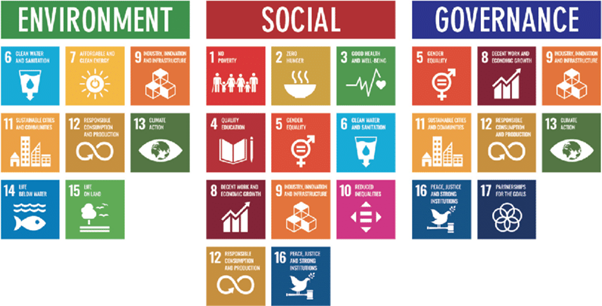
ESG stands for Environmental, Social, and Governance, which are three key factors used to measure the sustainability and ethical impact of investments and business practices. Companies and investors are increasingly taking ESG factors into account when making decisions, as there is growing recognition of the need to operate in a way that is environmentally responsible, socially inclusive, and well-governed.

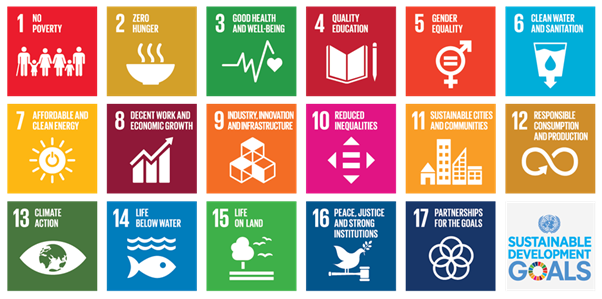
SDGs, on the other hand, refer to the United Nations’ Sustainable Development Goals, which are a set of 17 goals aimed at achieving sustainable development and improving the quality of life for all people around the world. The SDGs cover a range of issues, including poverty, hunger, health, education, gender equality, clean water and sanitation, renewable energy, and climate action.

In the Indian scenario, there is growing recognition of the importance of ESG and SDGs, and the government and companies are taking steps to promote sustainable development and reduce the environmental and social impact of economic activities. For example, the Indian government has launched several initiatives aimed at achieving its SDG targets, such as the Swachh Bharat Abhiyan (Clean India Mission) aimed at promoting cleanliness and hygiene, and the Skill India Mission aimed at providing vocational training to youth.

Similarly, companies in India are increasingly incorporating ESG factors into their decision-making processes, with many of them setting targets for reducing their carbon footprint, promoting gender diversity, and improving their social impact. There is also a growing trend of impact investing in India, where investors seek to generate financial returns while also making a positive impact on society and the environment.

Overall, there is a growing recognition in India of the need to promote sustainable development and achieve the SDGs, and there are many initiatives underway to achieve these goals. However, there is still much work to be done, and ongoing efforts are needed to ensure that economic growth is inclusive, environmentally sustainable, and socially responsible.

India’s ESG Goals

India has set several environmental, social, and governance (ESG) goals aimed at achieving sustainable development and reducing the impact of economic activities on the environment. Here are some of the key ESG goals of India:

India's ESG Goals

  • Climate Change Mitigation: India has committed to reducing its greenhouse gas emissions intensity by 33-35% by 2030, compared to 2005 levels. It has also set a target of achieving 175 GW of renewable energy capacity by 2022 and 450 GW by 2030.
  • Clean Air and Water: The National Clean Air Programme (NCAP) and the National Clean Energy Fund (NCEF) have been launched to improve air and water quality across the country. The government has also introduced the Jal Jeevan Mission to provide piped water to all households in the country by 2024.
  • Sustainable Agriculture: India has launched several initiatives to promote sustainable agriculture practices and increase agricultural productivity. The Pradhan Mantri Fasal Bima Yojana and the Soil Health Card Scheme are some of the programs aimed at improving farm incomes and reducing the environmental impact of agriculture.
  • Social Inclusion: The government has launched several programs to promote social inclusion and reduce inequality. The Pradhan Mantri Jan Dhan Yojana aims to provide access to financial services to all households in the country, while the National Health Protection Scheme provides health insurance coverage to vulnerable sections of society.
  • Corporate Governance: India has implemented several reforms aimed at improving corporate governance, such as the Companies Act, 2013, which requires companies to disclose their CSR activities and set up a CSR committee.

Overall, India has made significant progress in achieving its ESG goals, but there is still much work to be done to ensure sustainable development and reduce the impact of economic activities on the environment

India’s SDG Goals Related to Environment Sector

The Sustainable Development Goals (SDGs) are a set of 17 global goals adopted by the United Nations in 2015 to achieve a sustainable future for all. India is committed to achieving these goals and has taken significant steps to address various issues related to the environment.

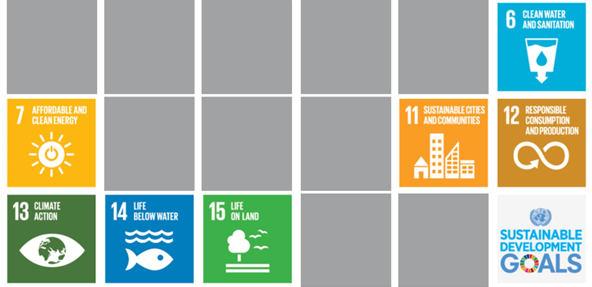
Here are some of the current status and milestones related to the environment sector in India:

Goal 6: Clean Water and Sanitation – In India, around 163 million people do not have access to safe drinking water, and only 40% of the population has access to basic sanitation. The government has launched several programs, such as the Swachh Bharat Abhiyan and the Jal Jeevan Mission, to address these issues and provide clean water and sanitation to all citizens.

Goal 7: Affordable and Clean Energy – India has set a target of achieving 175 GW of renewable energy capacity by 2022, of which 100 GW will come from solar, 60 GW from wind, 10 GW from biomass, and 5 GW from small hydro. The country has already achieved a capacity of 100 GW from renewable sources and is on track to meet its target.

Goal 11: Sustainable Cities and Communities – India’s urban areas face significant challenges related to air pollution, waste management, and access to basic services. The government has launched several initiatives to address these issues, including the Smart Cities Mission and the Swachh Bharat Abhiyan.

Goal 12: Responsible Consumption and Production – India is one of the largest consumers of plastic in the world, and the country generates around 25,940 tonnes of plastic waste per day. The government has launched the Swachh Bharat Abhiyan and the Plastic Waste Management Rules to promote responsible consumption and production and reduce plastic waste.

Goal 13: Climate Action – India has set a target of reducing the emissions intensity of its GDP by 33-35% by 2030, compared to 2005 levels. The country has also launched the National Clean Air Programme to address air pollution and promote climate action.

Goal 14: Life Below Water – India has a long coastline and significant marine biodiversity, but overfishing, pollution, and climate change pose significant threats to marine ecosystems. The government has launched several initiatives to address these issues, including the Swachh Sagar Abhiyan and the National Biodiversity Act.

Goal 15: Life on Land – India has a rich biodiversity, but many species are under threat due to habitat loss and fragmentation. The government has launched several programs, such as the National Biodiversity Act and the National Wildlife Action Plan, to protect and conserve wildlife and their habitats.

Overall, India has made significant progress towards achieving the SDGs related to the environment sector, but there is still a long way to go to achieve the targets by 2030.

Read More
Carbon Offsetting Initiatives in India

Carbon Offsetting Initiatives in India

Mitigating Emissions, Empowering Communities

In India, carbon offsetting has gained increasing attention and relevance over the past few years as a tool to mitigate greenhouse gas emissions and address climate change. Carbon offsetting is a mechanism that allows individuals or organizations to offset their carbon emissions by funding projects that reduce or remove greenhouse gas emissions in other parts of the world.

One of the key drivers of carbon offsetting in India is the country’s commitment to the Paris Agreement, which aims to limit global warming to well below 2°C above pre-industrial levels. India has pledged to reduce its greenhouse gas emissions intensity by 33-35% by 2030 compared to 2005 levels, and to achieve 40% of its electricity generation from renewable sources by 2030.

Carbon offsetting projects implemented in India

There are several carbon offsetting projects that have been implemented in India, ranging from renewable energy to afforestation and forest conservation initiatives. Some of the implementing agencies/companies and the scale of the projects are listed below:

  • Wind Energy Projects by Suzlon Energy: Suzlon Energy is one of the largest wind turbine manufacturers in India, and they have implemented several wind energy projects in different parts of the country. The company has commissioned over 11,000 MW of wind energy projects globally, which have resulted in significant carbon emissions reductions.
  • Solar Energy Projects by Tata Power Solar: Tata Power Solar is a leading solar energy company in India that has implemented several large-scale solar projects across the country. The company has commissioned over 5,400 MW of solar energy projects globally, which have resulted in significant carbon emissions reductions.
  • Afforestation Projects by Afforestt: Afforestt is a company that specializes in creating forests on barren lands using a unique plantation technique. They have implemented several afforestation projects in different parts of India, including in urban areas, and have successfully planted millions of trees.
  • Forest Conservation Projects by Wildlife Conservation Trust: The Wildlife Conservation Trust is an organization that works to protect wildlife and their habitats in India. They have implemented several forest conservation projects across the country, which have resulted in significant carbon emissions reductions.
  • Clean Cookstove Projects by Envirofit: Envirofit is a company that manufactures and distributes clean cookstoves in India. The company has implemented several clean cookstove projects in different parts of the country, which have resulted in significant carbon emissions reductions.

The scale of these projects varies, with some being small-scale community projects, and others being large-scale projects implemented by companies and organizations. However, all of these projects have contributed to reducing carbon emissions in India and have made a significant impact on the country’s efforts to mitigate climate change.

The Indian government has also launched several initiatives to promote carbon offsetting, such as the National Clean Energy Fund and the Clean Development Mechanism. Additionally, there are several private organizations in India that provide carbon offsetting services, allowing individuals and organizations to calculate their carbon footprint and offset their emissions by investing in carbon offset projects.

However, there are also concerns regarding the effectiveness and transparency of carbon offsetting, and the potential for offsetting to be used as a substitute for reducing emissions at the source. It is therefore important to ensure that carbon offsetting is used as a complement to, rather than a substitute for, emissions reduction efforts. Additionally, it is important to ensure that carbon offset projects are transparent, credible, and have a positive impact on local communities and the environment.

Similar reading: Carbon trading initiatives in India >>

Read More
Revenue streams in solid waste management

Unlocking Revenue Potential: Revenue Streams in Solid Waste Management in India

Solid waste management in India is a major challenge due to the large and rapidly growing population, urbanization, and inadequate infrastructure. To finance and sustain solid waste management services, city administrators in India can adopt different financial and revenue models.

Some of the common financial and revenue streams in solid waste management in India are:

User fee model:

In this model, the city administration charges a fee from households and businesses for the solid waste management services provided to them. The fee can be fixed or variable based on the quantity of waste generated by the households or businesses. The user fee model can provide a sustainable revenue stream for solid waste management services and encourage households and businesses to reduce their waste generation.

Example of cities using the user fee model in India:

  • Bengaluru: The Bruhat Bengaluru Mahanagara Palike (BBMP) collects user fees for solid waste management from all households, apartments, and commercial establishments within its jurisdiction. The fees are collected based on the type of waste generated and the size of the property.
  • Pune: The Pune Municipal Corporation (PMC) charges a user fee for solid waste management to all households and commercial establishments. The fee is based on the type of waste generated and the quantity of waste produced.

Open market revenue streams:

City administrators can generate additional revenue streams by selling recyclable materials or byproducts of solid waste processing, such as compost or energy. The sale of recyclable materials can be done through auctions or contracts with private recyclers or waste processing companies. Similarly, compost or energy generated from solid waste can be sold to industries or households for their use. The open market revenue streams model can help offset some of the costs of solid waste management services and create job opportunities in the waste processing sector.

Example of cities using the open market revenue streams model in India:

  • Hyderabad: The Greater Hyderabad Municipal Corporation (GHMC) has implemented a solid waste management system that includes waste-to-energy plants, composting facilities, and recycling units. The GHMC generates revenue from the sale of energy produced by the waste-to-energy plants and the sale of compost and recyclable materials.
  • Surat: The Surat Municipal Corporation has implemented a waste-to-energy plant that generates electricity from the waste generated in the city. The electricity generated is sold to the Gujarat State Electricity Corporation, generating revenue for the municipality.

Public-private partnership (PPP) model:

Under this model, the city administration partners with private companies to provide solid waste management services. The private companies invest in infrastructure and equipment for waste collection, transportation, processing, and disposal, while the city administration provides regulatory oversight and monitoring. The PPP model can leverage private sector expertise and resources to improve the efficiency and effectiveness of solid waste management services.

There are several cities in India that have successfully implemented the PPP model for solid waste management.

Some examples include:

  • Indore: Indore, a city in the state of Madhya Pradesh, has implemented a PPP model for solid waste management in collaboration with a private sector company called Antony Waste Handling Cell. Under this model, Antony Waste is responsible for collecting and transporting waste from households and commercial establishments to the designated landfill sites. The company also provides waste segregation and recycling services.
  • Surat: Surat, a city in the state of Gujarat, has implemented a PPP model for solid waste management in collaboration with a private sector company called Hanjer Biotech Energies Pvt. Ltd. Under this model, Hanjer Biotech is responsible for collecting and transporting waste from households and commercial establishments to the designated landfill sites. The company also provides waste segregation and recycling services.
  • Bengaluru: Bengaluru, a city in the state of Karnataka, has implemented a PPP model for solid waste management in collaboration with a private sector company called Ramky Enviro Engineers Ltd. Under this model, Ramky Enviro is responsible for collecting and transporting waste from households and commercial establishments to the designated landfill sites. The company also provides waste segregation and recycling services.

Overall, the PPP model for solid waste management has been successful in several cities in India, as it has allowed for the efficient provision of waste management services while also promoting private sector participation in the sector. However, there are also some challenges associated with this model, such as ensuring transparency in the selection of private sector partners and the need for effective regulation and monitoring of their performance.

Grants and subsidies:

City administrators can also seek grants and subsidies from the central and state governments, multilateral organizations, or philanthropic foundations to fund solid waste management services. Grants and subsidies can help cover some of the capital and operational costs of solid waste management services, especially for low-income communities that cannot afford user fees.

One example of a grants and subsidies model for solid waste management is the Swachh Bharat Mission (SBM), launched by the Government of India in 2014. Under this program, financial assistance is provided to urban local bodies (ULBs) for various activities related to solid waste management, including procurement of equipment, construction of waste processing facilities, and community awareness campaigns. The funding is provided in the form of grants and subsidies, with ULBs required to provide a matching contribution.

For instance, in the city of Chennai, the SBM has provided a subsidy of 35% of the project cost for the construction of a waste-to-energy plant. Similarly, in the city of Bengaluru, the SBM has provided a grant of INR 61 crore for the construction of a new waste processing facility.

In addition to the SBM, other grants and subsidies models are also being implemented in India to support solid waste management initiatives. For example, the Atal Mission for Rejuvenation and Urban Transformation (AMRUT) program provides funding for various urban infrastructure projects, including solid waste management. Under this program, ULBs are required to prepare detailed project reports and submit them for approval, following which they receive grants for project implementation.

Moreover, many state governments in India also provide grants and subsidies for solid waste management initiatives. For instance, the government of Maharashtra has launched a scheme called the “Mukhyamantri Shuddha Paryavaran Yojana,” under which ULBs are eligible to receive grants for various activities related to solid waste management, including the procurement of equipment, construction of processing facilities, and the implementation of door-to-door waste collection.

Read More
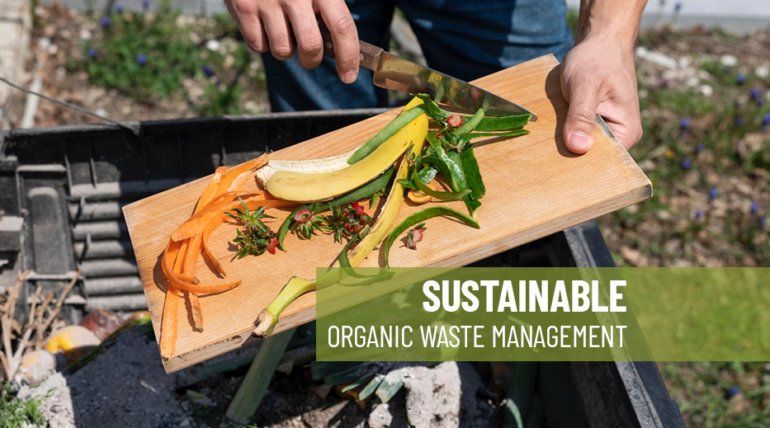
Pit Composting and Windrow Composting for Sustainable Organic Waste Management

Pit Composting and Windrow Composting for Sustainable Organic Waste Management

Pit composting and Windrow composting are two common methods of composting organic waste. Let’s look at them in detail.

Pit Composting:

Pit composting is a small-scale method of composting that involves digging a pit in the ground and adding organic waste materials. The pit is covered with soil and left to decompose over time. The capacity of a pit composting system can vary depending on the size of the pit and the amount of organic waste generated. In India, the CPHEEO guidelines recommend the following minimum and maximum capacity for pit composting facilities:

  • Minimum capacity: 100 kg per day
  • Maximum capacity: 5 tonnes per day

Technical guidelines for pit composting in India:

  • Location: Choose a location that is well-drained, away from water bodies, and at a safe distance from residential areas to prevent odor nuisance.
  • Size of the pit: The size of the pit depends on the quantity of waste generated. For a household, a pit of dimensions 1.5m x 1.5m x 1m is sufficient. For larger quantities of waste, the pit can be scaled up accordingly.
  • Lining the pit: The pit should be lined with a layer of concrete to a thickness of at least 5cm to prevent leachate from seeping into the ground.
  • Preparing the composting material: The composting material should be a mixture of brown and green organic waste, such as dry leaves, grass clippings, kitchen waste, and cow dung. The carbon to nitrogen ratio should be between 25:1 and 30:1.
  • Adding the composting material to the pit: The first layer of the composting material should be about 10cm thick. The subsequent layers should be added as the waste is generated.
  • Moisture management: The composting material should be kept moist but not waterlogged. Sprinkle water on the composting material if it appears dry.
  • Turning the compost: The compost should be turned every 10-15 days to aerate it and ensure that it decomposes evenly.
  • Composting time: The composting process takes between 4-6 months. The compost is ready when it is dark brown, crumbly, and has an earthy smell.
  • Using the compost: The compost can be used as a soil amendment in gardens, agriculture, and horticulture.
  • Maintenance of the pit: The pit should be cleaned after every composting cycle. The concrete lining should be checked for cracks and repaired if necessary.

These guidelines can help in setting up a concrete pit composting system that is efficient, easy to maintain, and environmentally friendly.

Windrow Composting:

Windrow composting is a large-scale method of composting that involves piling organic waste materials in long rows, or windrows, and turning them periodically to aerate the compost. The capacity of a windrow composting system can vary depending on the size of the operation and the amount of organic waste generated. In India, the Central Public Health and Environmental Engineering Organisation (CPHEEO) guidelines recommend the following minimum and maximum capacity for windrow composting facilities:

  • Minimum capacity: 5 tonnes per day
  • Maximum capacity: 200 tonnes per day

Technical guidelines for windrow composting in India:

  • Site selection: Choose a site that is well-drained, level, and away from water sources to prevent contamination. The site should also be easily accessible for the transport of organic waste and finished compost.
  • Size of windrow: The size of the windrow will depend on the amount of organic waste generated and the available space. Windrows should be between 1.5 to 2 meters wide and up to 2 meters high. The length of the windrow can vary depending on the amount of organic waste available.
  • Composting materials: The organic waste used in windrow composting should be a mixture of carbon-rich (e.g. dry leaves, straw) and nitrogen-rich (e.g. food waste, green leaves) materials. The ideal carbon-to-nitrogen (C:N) ratio is between 25:1 and 30:1.
  • Windrow construction: Begin by creating a base layer of coarse materials such as twigs or branches to promote air circulation. Then, alternate layers of carbon-rich and nitrogen-rich materials, watering each layer lightly to achieve a moisture content of around 50%.
  • Turning the windrow: The windrow should be turned every 7-10 days to promote aeration and decomposition. Turning can be done using a front-end loader or manually using a pitchfork.
  • Composting time: The composting process can take between 2-6 months, depending on the size of the windrow, moisture content, and temperature.
  • Monitoring: Regular monitoring is essential to ensure that the windrow is decomposing properly. The temperature should be checked using a thermometer, and the moisture content should be monitored using a moisture meter. Adjustments can be made to the windrow, such as adding water or adjusting the C:N ratio, as needed.

Windrow composting is a low-cost and effective way to manage organic waste in India. By following these technical guidelines, you can produce high-quality compost for your garden or farm while reducing waste and promoting sustainability.

Further reading resources: Composting for improved at-source wet waste management >

Read More
The Role of Sanitary Landfills in Solid Waste Management

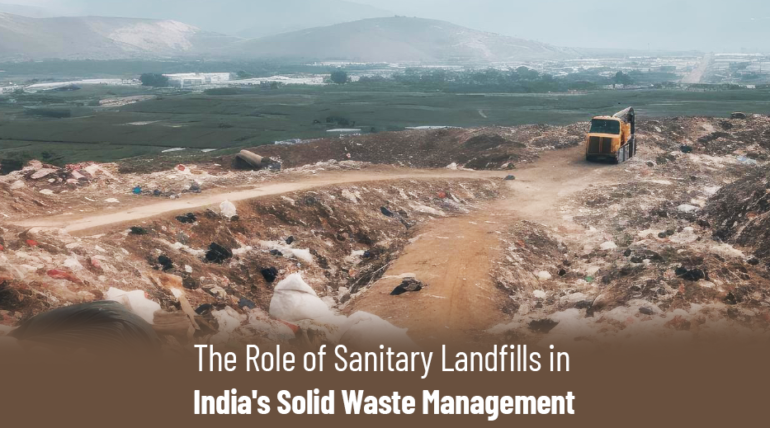
The Role of Sanitary Landfills in India’s Solid Waste Management

After processing wet and dry waste properly whatever inert part remains which will not be processed further is sent to sanitary landfills for safe disposal and ultimately the completion of the solid waste management process.

In India, the guidelines for the sanitary landfill site for solid waste disposal are provided by the Ministry of Environment, Forest and Climate Change (MoEFCC) through the Solid Waste Management Rules, 2016. The technical details for designing and constructing a sanitary landfill site are also specified in these rules.

Key guidelines and technical details on sanitary landfills

  • Site selection: The landfill site should be located at least 500 meters away from residential areas, 200 meters from water bodies, and 20 meters from highways or roads. The site should also have a natural slope for proper drainage and be free from flooding, earthquakes, or landslides.
  • Design and construction: The landfill site should have a lining system at the bottom made of a geomembrane or clay layer to prevent leachate from contaminating the soil and groundwater. The site should also have a leachate collection system, a gas collection and control system, and a cover system to prevent odors and littering.
  • Operation and maintenance: The landfill site should be operated and maintained by a qualified operator who is responsible for ensuring proper waste management practices are followed. The operator should also monitor the landfill’s performance and take corrective measures if necessary.
  • Closure and post-closure care: Once the landfill site reaches its capacity, it should be closed following the guidelines provided by the MoEFCC. The site should be capped with a layer of soil and vegetation, and the leachate and gas collection systems should be continued for at least five years after closure.

In addition to the above guidelines, there are also specific technical details regarding the size and capacity of the landfill site, the design of access roads and drainage systems, and the monitoring and reporting requirements. These technical details are specified in the Solid Waste Management Rules, 2016, and should be followed strictly to ensure the safe and effective management of solid waste in India.

The best Case Studies for Sanitary Landfill Sites of Solid Waste Management in India

Okhla Landfill, Delhi:

The Okhla landfill site is located in Delhi and is one of the largest landfill sites in India. The site was established in 1996 and receives around 2,700 metric tonnes of waste per day. The site has been designed to meet international standards and has a leachate treatment plant, gas extraction system and a landfill gas power plant. The site has been able to reduce the amount of methane emissions and generate electricity from the landfill gas. (Source: Central Pollution Control Board, Government of India)

Deonar Landfill, Mumbai:

The Deonar landfill site is located in Mumbai and is one of the oldest and largest landfill sites in India. The site was established in 1927 and receives around 5,000 metric tonnes of waste per day. The site has faced numerous problems such as fires, leachate pollution, and health hazards for the nearby residents. In 2016, the Mumbai Municipal Corporation initiated a plan to convert the site into a scientific landfill with a leachate treatment plant, waste-to-energy plant and a composting plant. (Source: Mumbai Municipal Corporation)

Ghazipur Landfill, Delhi:

The Ghazipur landfill site is located in Delhi and is one of the tallest landfill sites in India. The site was established in 1984 and receives around 2,000 metric tonnes of waste per day. The site has faced numerous problems such as fires, leachate pollution, and health hazards for the nearby residents. In 2018, a portion of the site collapsed and resulted in the death of two people. The Delhi government has since then initiated a plan to close down the site and convert it into a green area. (Source: The Hindu)

Bhandewadi Landfill, Nagpur:

The Bhandewadi landfill site is located in Nagpur and is one of the most successful landfill sites in India. The site was established in 2008 and receives around 1,000 metric tonnes of waste per day. The site has a leachate treatment plant, a biogas plant and a composting plant. The biogas plant has a capacity to generate 2.8 MW of electricity from the landfill gas. The site has been able to reduce the amount of waste going to the landfill and has been able to generate revenue from the electricity and composting. (Source: Nagpur Municipal Corporation).

For more, read some of our other expert articles.

Read More
Impact of Extended Producer Responsibility

The Impact of Extended Producer Responsibility

Driving Responsible Product Disposal and Environmental Sustainability

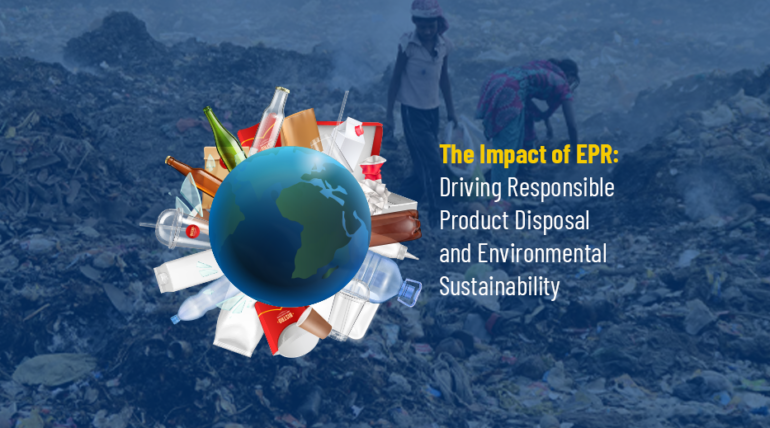
EPR stands for Extended Producer Responsibility, which is a policy framework that makes producers responsible for managing the end-of-life disposal of their products. The objective of EPR is to ensure that the producers take responsibility for managing the environmental impact of their products, including the waste generated by their products.

In the Indian scenario, EPR has been implemented for several products such as e-waste, plastic waste, and hazardous waste. The E-waste (Management) Rules, 2016, requires producers of electrical and electronic equipment (EEE) to collect and manage e-waste generated by their products. Similarly, the Plastic Waste Management Rules, 2016, requires producers of plastic products to take measures for collecting, segregating, and disposing of the plastic waste generated by their products.

The implementation of EPR in India has helped in reducing the environmental impact of products and has also led to the development of a recycling industry. However, there are still challenges in the effective implementation of EPR, such as the lack of infrastructure for the collection and disposal of waste, lack of awareness among consumers, and the need for more stringent regulations to ensure compliance

In India, EPR policy implementation is at different stages for different types of waste.

Current targets and implementation stages for specific types of waste:

E-waste:

The E-waste (Management) Rules, 2016, make producers responsible for the collection and management of e-waste generated by their products. The e-waste (Management) Rules, 2016, also cover the management of CFL and other mercury-containing lamps.
Reading Material: Policy Guidelines on e-Waste

Plastic waste

The Plastic Waste Management Rules, 2016, require producers of plastic products to take measures for collecting, segregating, and disposing of the plastic waste generated by their products.
Reading Material: Policy Guidelines on Plastic Waste

Batteries:

The Batteries (Management and Handling) Rules, 2001, require battery manufacturers and importers to take responsibility for the collection and disposal of their waste batteries.

Reading Material: Policy Guidelines on Battery Waste

Hazardous waste

The Hazardous and Other Wastes (Management and Transboundary Movement) Rules, 2016, require the producers of hazardous waste to take responsibility for the safe disposal of their waste.
Reading Material: Policy Guidelines on Hazardous Waste

Extended Producer Responsibility Policies on Specific Types of Waste

Electronic Waste (E-waste):

The EPR policy for e-waste in India is regulated by the Ministry of Environment, Forest and Climate Change (MoEFCC) under the E-Waste (Management) Rules, 2016. The EPR targets for e-waste management have been set by the Central Pollution Control Board (CPCB) for the following categories:

  • Producers of electronic goods such as TVs, refrigerators, washing machines, air conditioners, etc.
  • Producers of electronic components such as chips, resistors, capacitors, etc.
  • Bulk consumers of electronic goods such as government departments, public sector undertakings, etc.

Currently, there are over 100 companies in India that have implemented EPR policies for e-waste, including Dell, HP, Lenovo, Apple, Samsung, LG, etc. These companies have tie-ups with authorized e-waste recyclers to collect and dispose of their e-waste.

Plastic Waste:

The EPR policy for plastic waste in India is regulated by the MoEFCC under the Plastic Waste Management Rules, 2016. The EPR targets for plastic waste management have been set by the CPCB for the following categories:

  • Producers of plastic packaging waste.
  • Producers of multi-layered plastic (MLP) products.
  • Brand owners who use plastic packaging for their products.

Currently, there are several companies in India that have implemented EPR policies for plastic waste, including Coca-Cola, PepsiCo, Nestle, Unilever, etc. These companies have tie-ups with authorized recyclers to collect and dispose of their plastic waste.

Paper Waste:

The EPR policy for paper waste in India is regulated by the MoEFCC under the Solid Waste Management Rules, 2016. The EPR targets for paper waste management have been set by the CPCB for the following categories:

  • Producers of paper and paperboard products.
  • Brand owners who use paper and paperboard packaging for their products.

Currently, there are several companies in India that have implemented EPR policies for paper waste, including ITC, Hindustan Unilever, Nestle, Coca-Cola, etc. These companies have tie-ups with authorized recyclers to collect and dispose of their paper waste.

Key manufacturers and producers implementing EPR policy in India

Hindustan Unilever Limited (HUL):

HUL is one of the largest fast-moving consumer goods (FMCG) companies in India, with a wide range of products in the personal care, home care, and food and beverages categories. The company has committed to achieving 100% plastic waste collection and management by 2025, as part of its larger goal to become a “circular economy” business. To achieve this target, HUL has launched several initiatives, including setting up a network of plastic waste collection and recycling infrastructure, working with waste pickers and recyclers, and promoting awareness among consumers about responsible plastic waste management.

Procter & Gamble (P&G):

P&G is a multinational consumer goods company with a wide range of products in the personal care, home care, and health care categories. The company has committed to achieving 100% recyclable or reusable packaging by 2030, as part of its “Ambition 2030” sustainability goals. To achieve this target, P&G is investing in research and development to find innovative packaging solutions, working with suppliers to source more sustainable materials, and partnering with recycling companies to improve recycling infrastructure and processes.

ITC Limited:

ITC Limited is a diversified conglomerate with interests in the fast-moving consumer goods, agri-business, hotels, paperboards, and packaging industries. The company has set a target to achieve 100% plastic waste collection and management in its value chain by 2030, as part of its “Responsible and Sustainable Business” strategy. To achieve this target, ITC is investing in recycling infrastructure, promoting the use of sustainable materials in its packaging, and working with waste pickers and recyclers to promote responsible waste management.

Overall, while many of these companies have made significant progress towards their EPR targets, there is still a long way to go to achieve a truly sustainable and circular economy in India. Stronger regulatory frameworks, greater public awareness, and more effective partnerships between government, industry, and civil society will be needed to drive the necessary changes.
Read More
Carbon Trading Initiatives

Unlocking Opportunities: Carbon Trading Initiatives and Policies in India

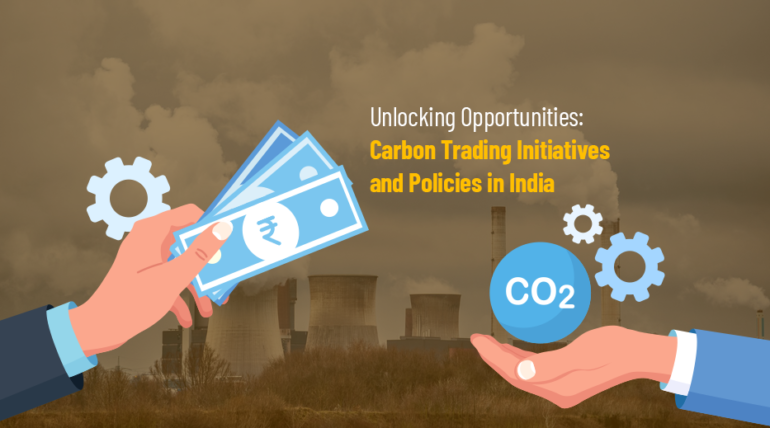
Carbon trading, is a market-based system where companies can buy and sell permits that allow them to emit a certain amount of carbon dioxide. The idea is to create a financial incentive for companies to reduce their carbon emissions. Companies that emit less carbon can sell their permits to those that emit more, creating a market for carbon emissions.

The government of India has implemented several policies to encourage carbon trading, including the National Action Plan on Climate Change (NAPCC) and the National Clean Energy Fund (NCEF). Additionally, India has also launched the Clean Development Mechanism (CDM), which allows Indian entities to earn Certified Emission Reduction (CER) credits by reducing emissions and then selling those credits to entities in developed countries that need to meet their emissions reduction targets under the Kyoto Protocol.

India has also implemented a domestic carbon trading scheme, called the Perform, Achieve and Trade (PAT) scheme. Under this scheme, large energy-intensive industries are given targets for energy efficiency improvements. If they exceed those targets, they earn Energy Saving Certificates (ESCs), which can be sold to other companies that are not meeting their targets. This scheme has been successful in promoting energy efficiency in industries and reducing greenhouse gas emissions.

However, there are also concerns regarding the effectiveness of carbon trading in India. One concern is the lack of transparency and standardization in the carbon market, which can make it difficult to ensure the credibility of carbon credits. There are also concerns about the potential for fraud and double-counting of carbon credits. Additionally, some experts argue that carbon trading may not be sufficient to address the scale of the climate crisis and that more direct policy measures, such as regulation and taxation, may be necessary to achieve deep emissions reductions.

Overall, carbon trading is an important tool for mitigating greenhouse gas emissions in India. However, it is important to ensure that the system is transparent, credible, and effective in reducing emissions. Additionally, it should be used as a complement to, rather than a substitute for, other policy measures aimed at reducing emissions.

Carbon trading companies in India

There are several carbon trading companies operating in India. Here are some of them:

  • Indian Energy Exchange Limited (IEX): IEX is a leading power trading platform in India that has also diversified into renewable energy certificates (RECs) trading and carbon credits trading.
  • Climate Connect Technologies: Climate Connect is a carbon advisory firm that helps businesses and governments in India and abroad to achieve their carbon reduction goals by providing carbon management, carbon offsetting, and carbon trading services.
  • CleanMax Enviro Energy Solutions: CleanMax Enviro is a renewable energy and sustainability solutions provider in India that offers carbon credits trading as part of its services.
  • Sindicatum Climate Technologies India Private Limited: Sindicatum is a global developer, owner, and operator of renewable energy projects that also provides carbon credits trading services in India.
  • Carbon Clean Solutions Limited: Carbon Clean Solutions is a carbon capture technology company that also offers carbon credits trading services to its clients in India and abroad.

These are just a few examples of carbon trading companies operating in India. There are many other companies that offer similar services.

Read More
India's Carbon Credits Landscape

India’s Carbon Credits Landscape

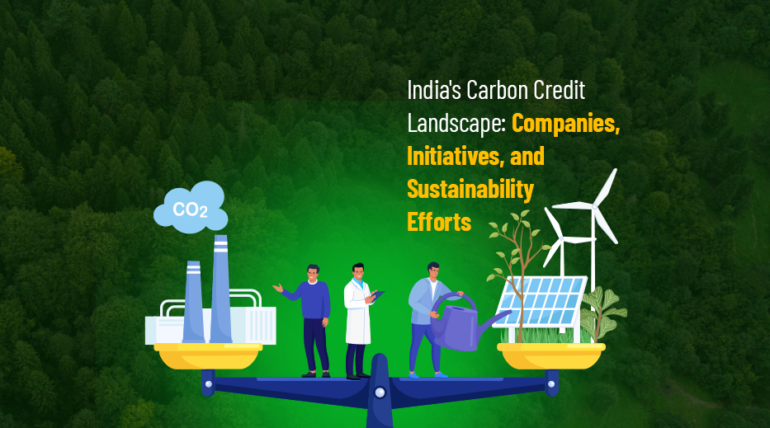
Carbon credits are a mechanism through which countries and companies can offset their greenhouse gas emissions by investing in projects that reduce emissions elsewhere. The concept of carbon credits was introduced under the Kyoto Protocol, which is an international agreement aimed at combating climate change.

In India, carbon credits have played an important role in promoting sustainable development and reducing greenhouse gas emissions. India has been one of the major beneficiaries of the Clean Development Mechanism (CDM) under the Kyoto Protocol, which allows developing countries to earn carbon credits by implementing projects that reduce emissions.

Through the CDM, India has implemented a number of projects in sectors such as renewable energy, energy efficiency, and waste management. These projects have helped to reduce greenhouse gas emissions, while also contributing to sustainable development by creating employment opportunities, improving energy security, and reducing local pollution.

India has also launched its own domestic carbon market, known as the India Carbon Market, which aims to promote the development of low-carbon technologies and facilitate the trading of carbon credits.

There are also several voluntary carbon credit schemes in India, such as the Verified Carbon Standard (VCS) and the Gold Standard, that provide additional opportunities for companies to generate carbon credits and support sustainable development initiatives. These schemes typically require companies to demonstrate their emissions reductions through rigorous monitoring and reporting processes.

Role of in ULBs in carbon credits

Carbon credits are a market-based mechanism used to incentivize the reduction of greenhouse gas emissions. In India, the Ministry of Environment, Forest and Climate Change (MoEFCC) oversees the country’s carbon credit program, which is known as the National Clean Development Mechanism Authority (NCDMA).

Under the NCDMA, entities that reduce their greenhouse gas emissions can earn carbon credits, which can then be sold on the carbon market. This provides an economic incentive for companies to reduce their emissions and helps to mitigate climate change.

In terms of urban local bodies, the NCDMA has encouraged their participation in the carbon credit program. Urban local bodies are responsible for managing urban areas and can play a significant role in reducing greenhouse gas emissions. By implementing measures such as waste reduction, energy efficiency, and sustainable transportation, urban local bodies can earn carbon credits and generate revenue for their municipalities.

To participate in the carbon credit program, urban local bodies must first register with the NCDMA and provide evidence of their emission reduction activities. They must also undergo verification by an accredited third-party auditor to ensure that their emissions reductions are genuine and measurable.

In addition to earning carbon credits, participation in the carbon credit program can help urban local bodies improve their sustainability credentials and demonstrate their commitment to climate action. This can be particularly important for municipalities that are seeking to attract investment or tourism.

One way that ULBs can earn revenue for their sustainability efforts is through the sale of carbon credits. Carbon credits are a market-based mechanism that allows organizations to offset their GHG emissions by purchasing credits from projects that reduce or sequester carbon.

While there have been some ULBs in India that have participated in carbon credit programs, the scale of their participation and the carbon credits earned are not widely available.

Some of the notable ULBs that have participated in carbon credit programs in India include the Municipal Corporation of Greater Mumbai, which has implemented a waste-to-energy project that generates carbon credits, and the New Delhi Municipal Council, which has implemented energy-efficient street lighting and solar rooftop projects.

However, it’s worth noting that participation in carbon credit programs is often complex and requires significant upfront investment in sustainability projects, as well as ongoing monitoring and verification of GHG emissions reductions. Therefore, while ULBs have the potential to earn revenue through carbon credits, it may not be a feasible option for all ULBs. One way that ULBs can earn revenue for their sustainability efforts is through the sale of carbon credits. Carbon credits are a market-based mechanism that allows organizations to offset their GHG emissions by purchasing credits from projects that reduce or sequester carbon.

Indian companies working for carbon credits

India has several companies working in the field of carbon credits, which are essentially permits that allow companies to emit a certain amount of carbon dioxide or other greenhouse gases. By earning carbon credits, companies can offset their carbon emissions by investing in projects that reduce emissions or remove carbon from the atmosphere.

Some of the Indian companies working for carbon credits include:

  • Tata Steel: Tata Steel is one of the largest producers of steel in India and has implemented various measures to reduce its carbon emissions. The company has earned carbon credits by investing in renewable energy projects, energy-efficient technologies, and waste reduction initiatives.
  • Mahindra & Mahindra: Mahindra & Mahindra is a leading Indian automobile manufacturer that has been working to reduce its carbon footprint. The company has earned carbon credits by investing in projects that promote renewable energy, energy-efficient technologies, and sustainable agriculture.
  • Infosys: Infosys is a global IT consulting firm that has implemented various measures to reduce its carbon emissions. The company has earned carbon credits by investing in renewable energy projects, energy-efficient technologies, and waste reduction initiatives.
  • Suzlon Energy: Suzlon Energy is a leading Indian wind energy company that has earned carbon credits by investing in wind power projects that reduce greenhouse gas emissions.
  • Hindustan Zinc: Hindustan Zinc is a mining company that has earned carbon credits by investing in projects that promote energy efficiency, waste reduction, and renewable energy.
  • Reliance Industries – This Indian conglomerate has been working on various sustainability initiatives, including carbon credits and renewable energy.
  • Hero MotoCorp – Hero MotoCorp is a major two-wheeler manufacturer in India that has been working on various sustainability initiatives, including the use of renewable energy and carbon credits.

These are just a few examples of the Indian companies working in the field of carbon credits. Many other companies in India are also investing in projects that reduce emissions or remove carbon from the atmosphere to earn carbon credits.

Read More