
OUR APPROACH

We believe in CIRCULARITY, which is the core of harmony in nature. We work towards citizen participation and awareness for better sustainability, along with facilitating users to reach out to various kinds of solution and service providers. We hope to be the catalyst to increase the citizen participation and support sustaining green businesses with a view to have social and environmental impact at scale.

PRAKALP
All of our sustainability case studies stem from our 3 flagship undertakings called Bodhi, Mantu, and Prayog. Or in simple terms, Research, Consultation, and Initiatives. We believe that building a nexus of solutions and platforms to deliver a structured outcome towards environmental sustainability will establish a better ecosystem for the waste management sector.

BODHI
We undertake research to further the goal of circularity in waste management by mapping systems, services, stakeholders, technologies, markets, and demands.

MANTU
Provide technical & service consultancy regarding waste management & energy conservation/opportunities in renewable energy with an approach to promote sustainable solutions.

PRAYOG
We work with waste generators and energy consumers like government/private entities and societies to innovate on waste management and renewability.
PROJECTS
We aim to connect people to sustainable solutions through the application of design thinking and collaborative approaches to have a positive impact on the environment at scale.
8
5000
12
1000
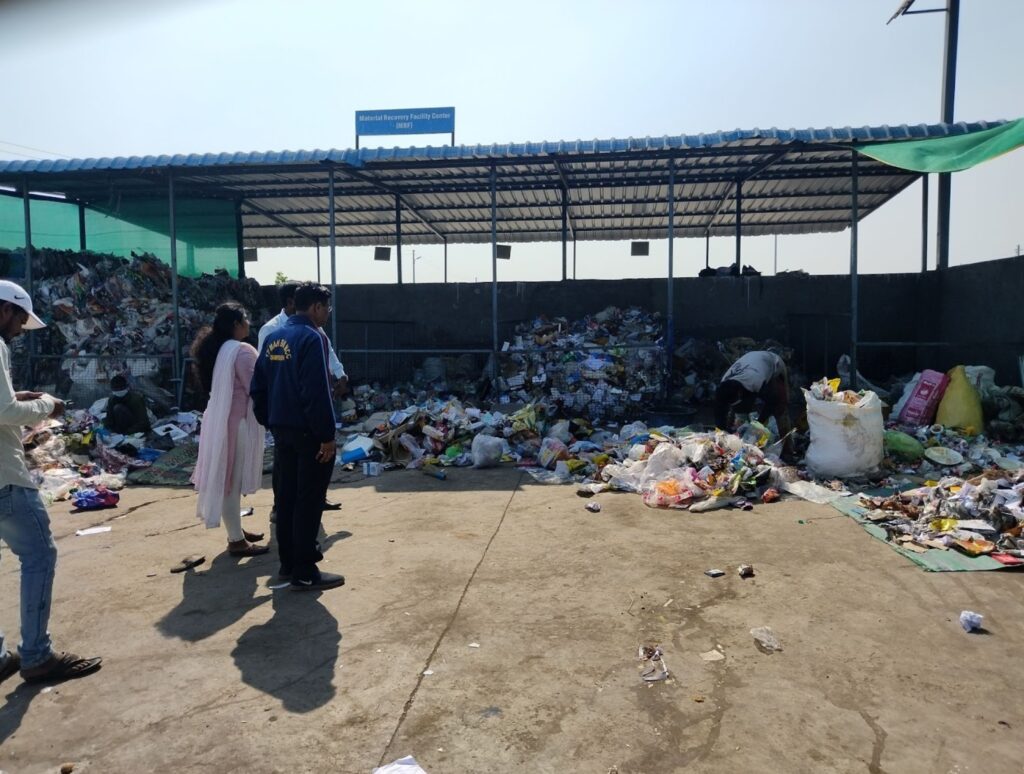
Exploring Waste Entering the Sea – Gazdhar Bandh, Mumbai
Understanding and establishing supply chain for battery waste by identifying and tapping the generators specific to the type of waste.

Feasibility Assessment for Waste Picker and SHG Integration
Understanding and establishing supply chain for battery waste by identifying and tapping the generators specific to the type of waste.
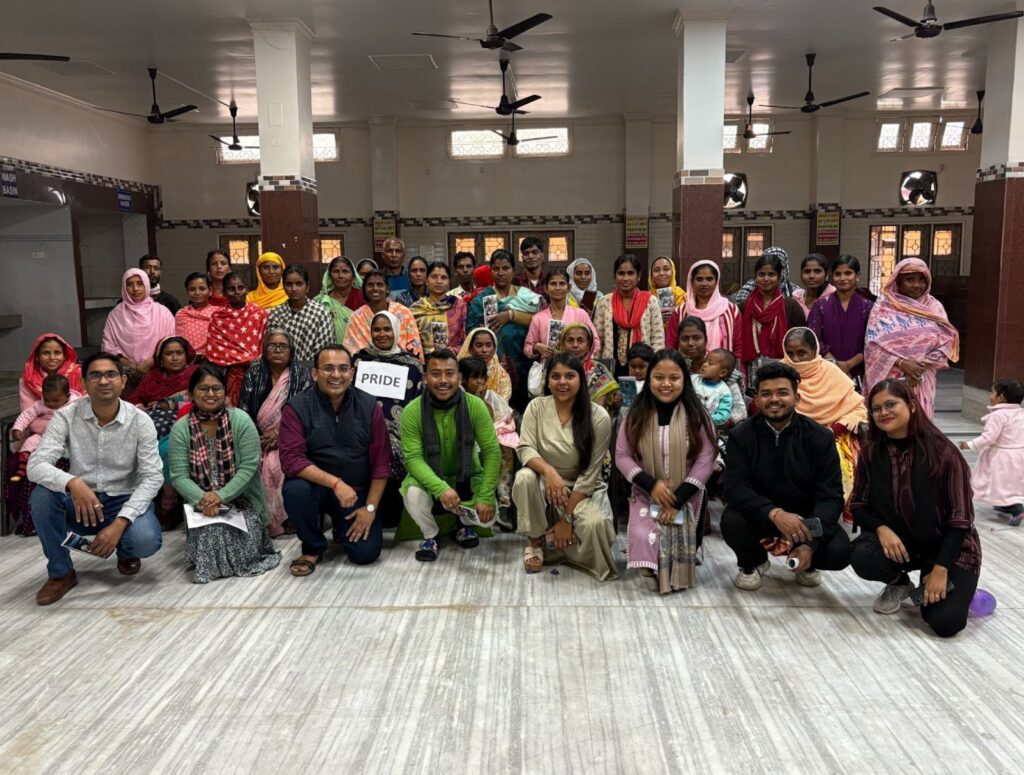
Cooperative for Solid Waste Management
Understanding and establishing supply chain for battery waste by identifying and tapping the generators specific to the type of waste.
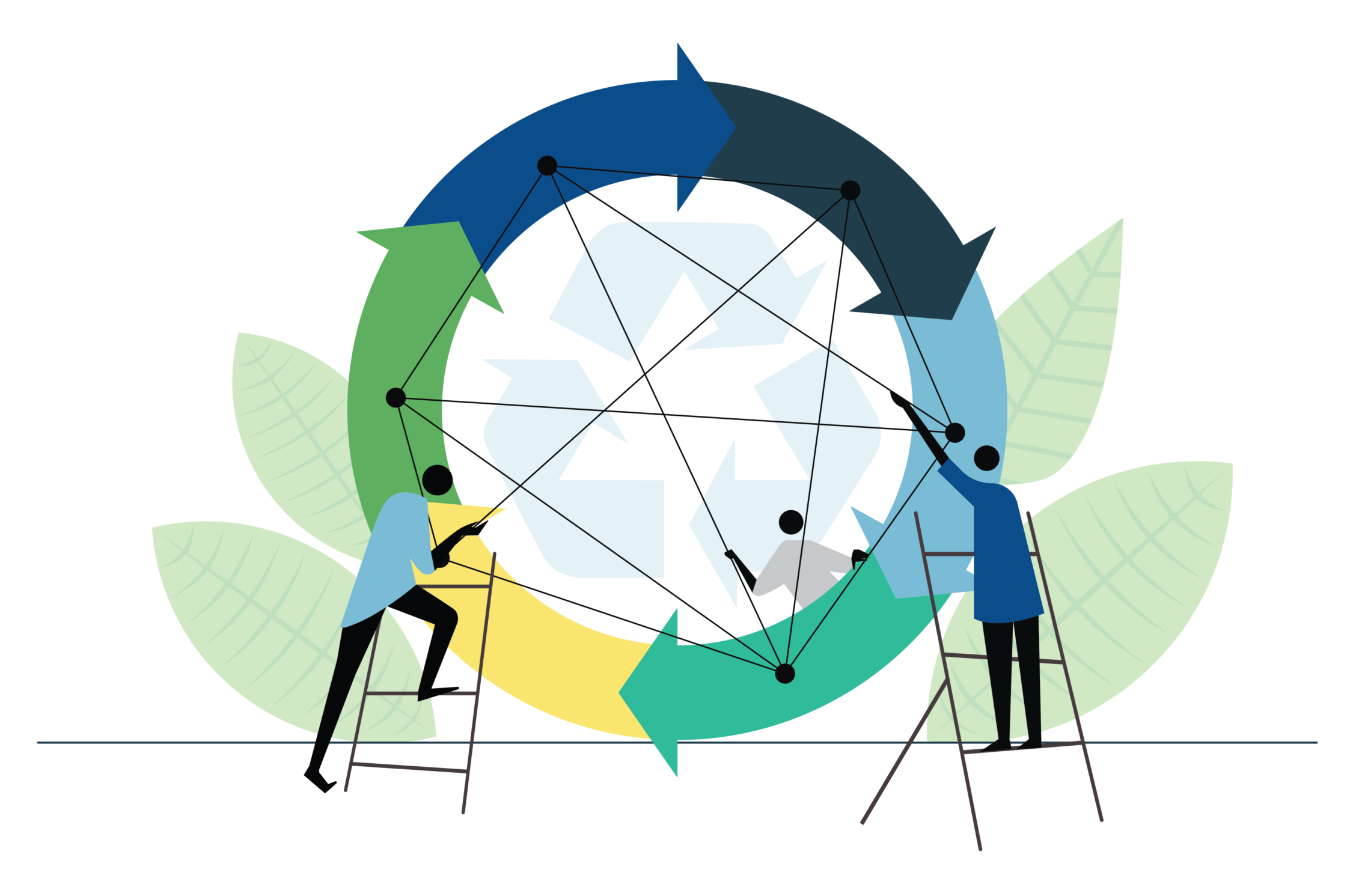
CHAKRA MANDALA
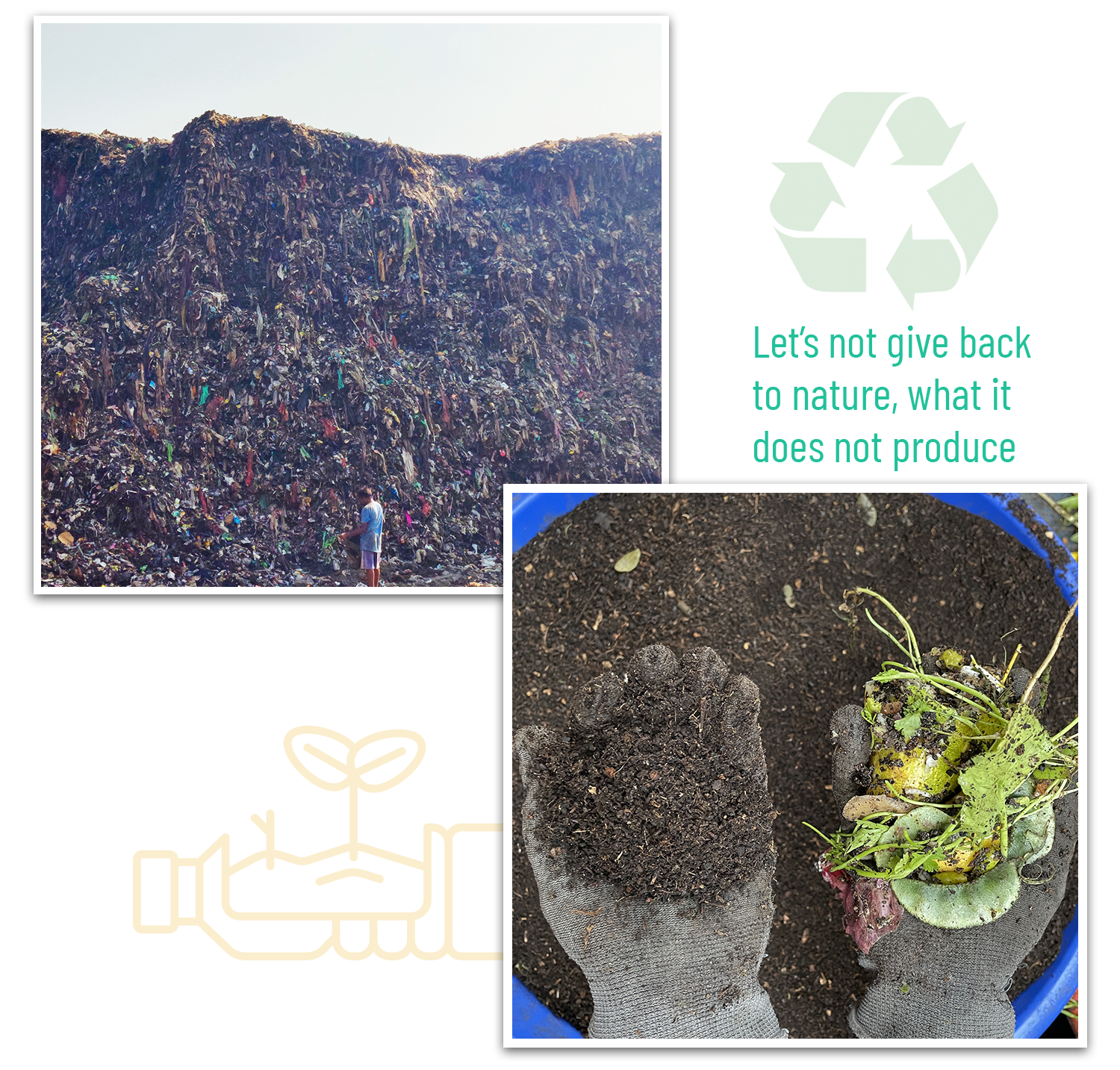
We need to be ‘ChakraM’ i.e., consciously believing in the concept of circularity for leading a sustainable lifestyle. Be waste conscious! Be energy conscious! is the mantra of the coming era.
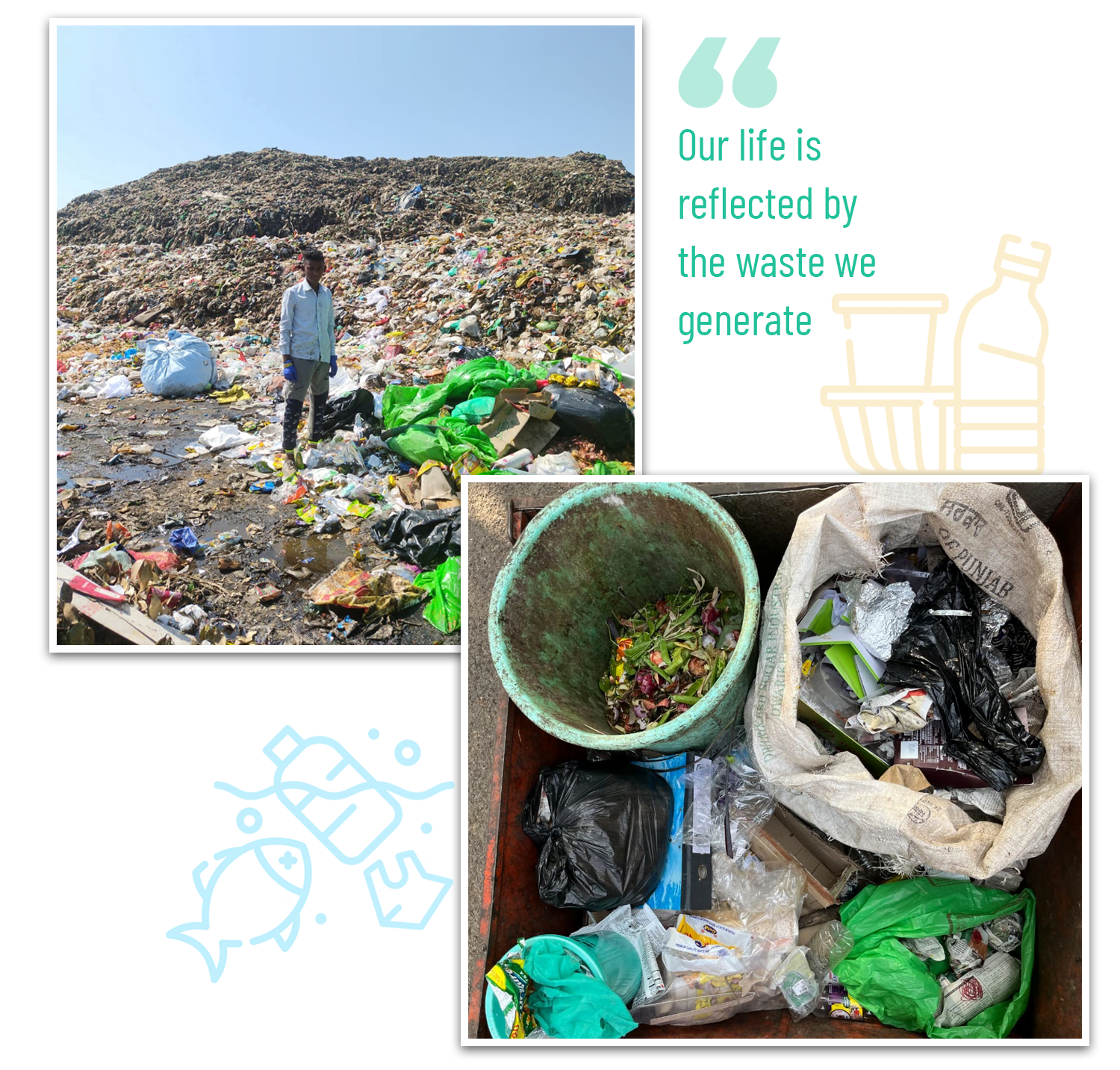

WASTE WITH WISDOM
Easy access to information improves people’s willingness to work towards sustainability. We aim to develop a knowledge bank around waste management, making it easier to impart learnings and best practices.

TOGETHER WE CAN
Our approach is to interact, communicate, and engage with a variety of stakeholders for the widespread adoption of sustainability initiatives at an individual, neighbourhood, and/or organisational level.

GREEN ECOSYSTEMS
Our approach is to help people connect with a variety of waste management initiatives and solutions on an integrated platform and thus create a larger impact by increasing people’s participation towards climate change and sustainability.
IT IS NOT NEW!
Our Indian society has been a follower of sustainable practices since ages, where circularity was more a habit than a jargon. We had a habit of using only what we need, reusing old items and repairing what is broken, which was why the task to adapt to sustainable living was an easy one.
We used to segregate plastics and recyclable material which use to go to a kabadiwala or a boharin as a barter for new material or as sale of scrap. With vanishing informal links hampering the ease of business and easy access to new and shiny goods our habits have changed.
We need to recreate that balance by establishing the nexus of citizen participation, open market and programmes to facilitate the chain.
CIRCULARITY as a value which comes to us through our culture.
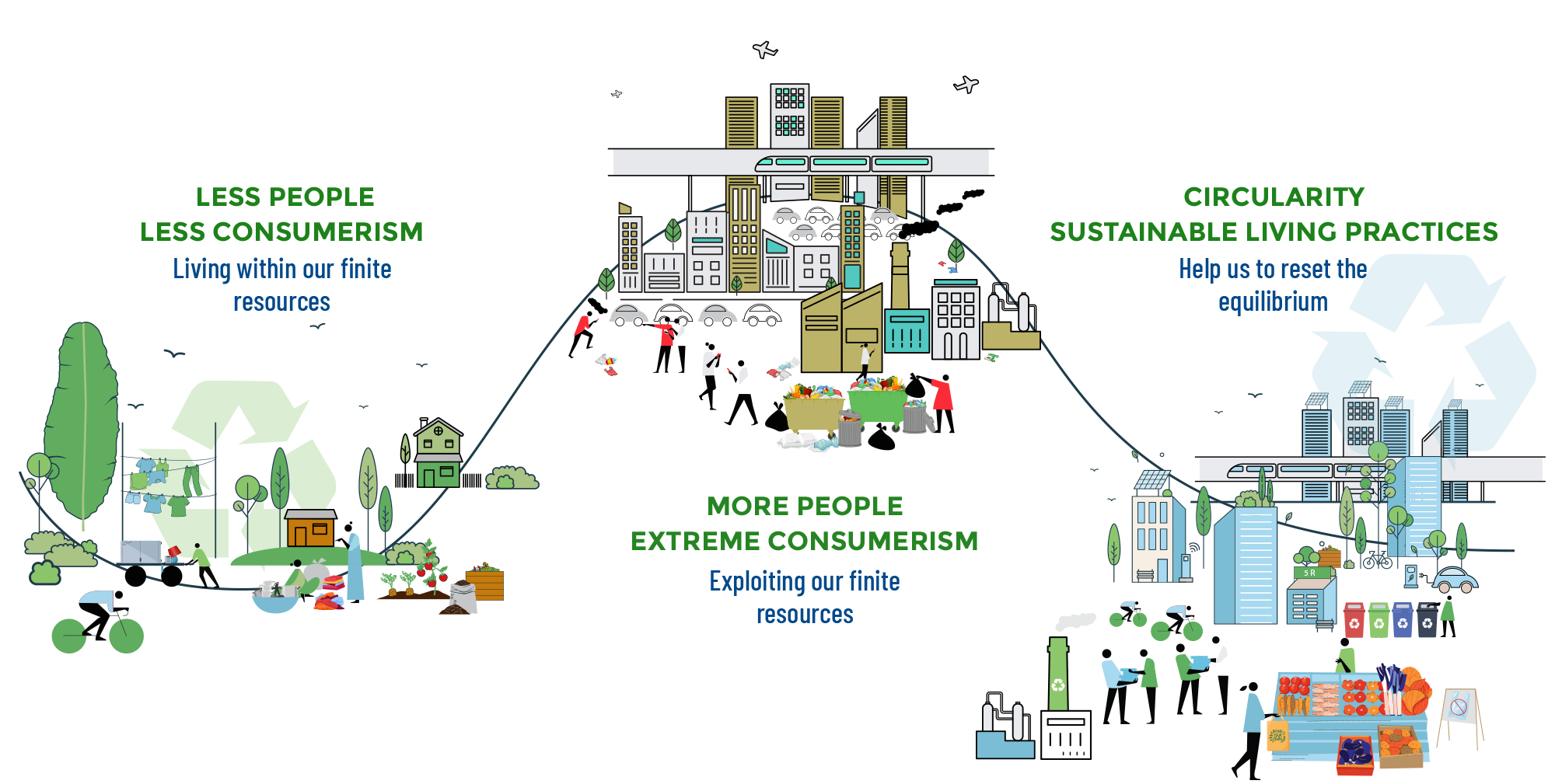
CULTURAL KATTA
Awareness generation for behaviour change has been a consistent effort for developing and grooming of our society. Our traditions have been supporting the cause through forms of culture and traditions. Though the thematic and references have changed the forms that were earlier used prove to be more effective in communicating with the masses of various cohorts of the society.
Vasudev is a community of devotees of Shri Krishna. Traditionally Vasudev is a wanderer who used to visit the village, towns in the early morning and sing songs that represented the ideal philosophy of Indian society. This is the traditional way to communicate the values and drive the society towards the expected change in behaviour. Vasudev had a great connect with individuals from other communities which helped to create peer groups which further worked on various aspects of the society.
Burgunda is a folk-art form which was performed at community level. The art form was developed to connect with people in the local language to communicate the logic behind the various practices and traditions followed in the society. This depicts through a conversation between two people a scenario where listeners are made aware about logic of various societal practices and are shown the mirror on probable outcomes if followed otherwise. It is strong communication method which pokes individuals to perform their duties towards society.
Kirtan is a tradition which is practiced in temples and other community centres. The form refers to and spreads the teachings of the great individuals and spiritual leaders in a form of narrative. It has always been used to share examples of people within society to motivates other. In present language it presents research, analysis, inferences and references to the best cases
Blogs
Solid Waste Management Rules in Maharashtra
Compost your waste for improved at-source wet waste management
E-Waste On the Rise: Red Alert for Mid-Western India?
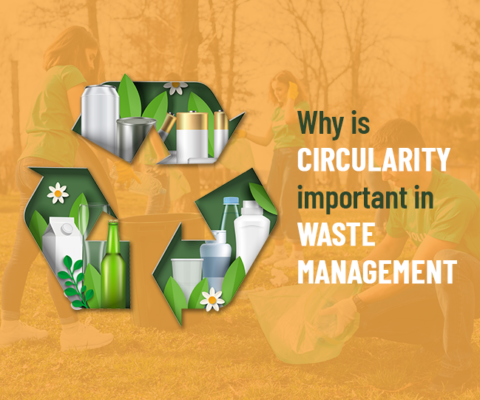
The Importance of Circularity in Waste Management
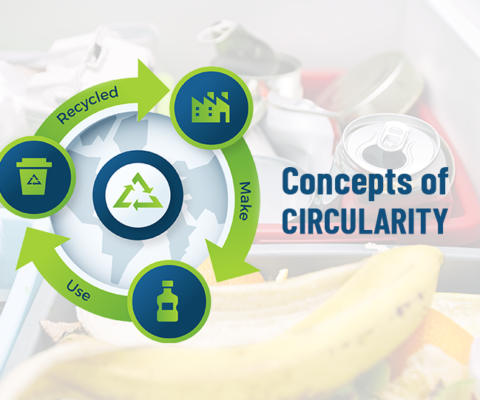
Concepts of Circularity
Knowledge Articles
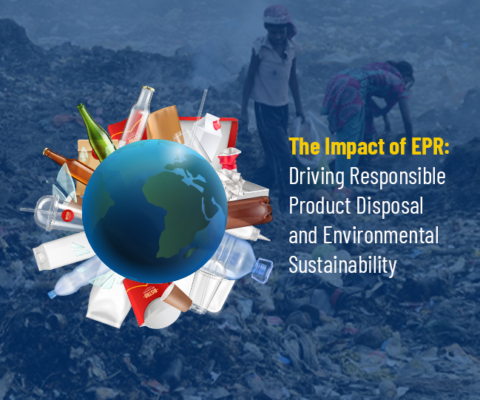
The Impact of Extended Producer Responsibility
A Closer Look at Composting Methods in India
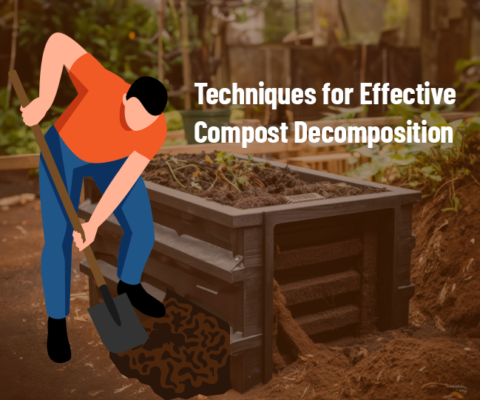
Techniques for Effective Compost Decomposition
Waste-to-Energy through Incineration and Pyrolysis
Exploring Gasification and Refuse-derived fuel (RDF) Technology
India’s Path towards Waste Recycling, Upcycling and a Circular Economy
Lessons from Successful Waste Picker Integration Models
Material Recovery Facilities (MRFs) in India
Understanding Waste Management Governance in India
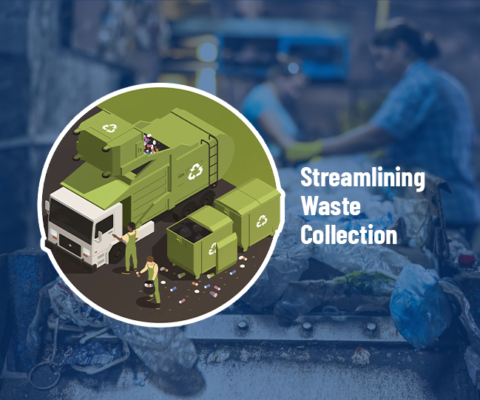
Service Contracts for MSW Management in India
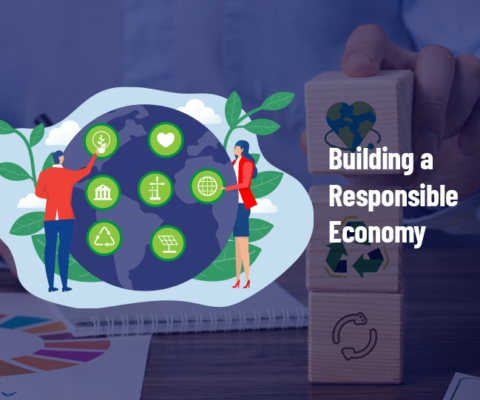
Building a Responsible Economy
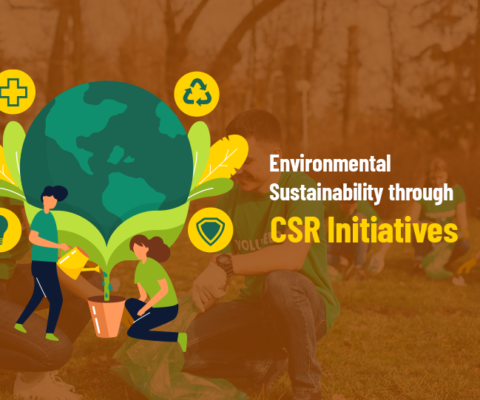
Environmental Sustainability through CSR Initiatives
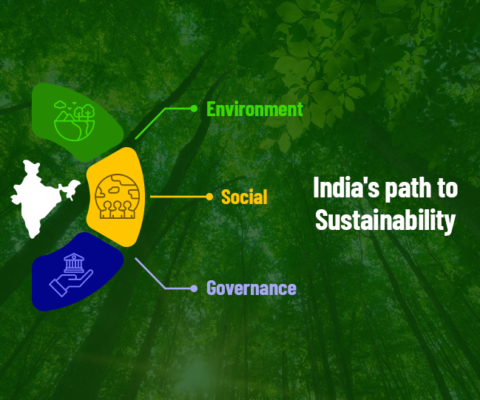
Aligning ESG Goals and SDG Commitments
Carbon Offsetting Initiatives in India
Unlocking Revenue Potential: Revenue Streams in Solid Waste Management in India
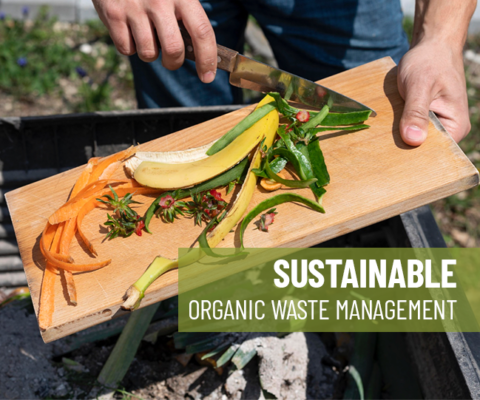
Pit Composting and Windrow Composting for Sustainable Organic Waste Management
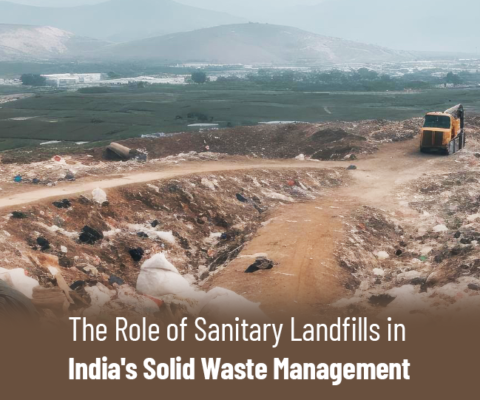
The Role of Sanitary Landfills in India’s Solid Waste Management
The Impact of Extended Producer Responsibility
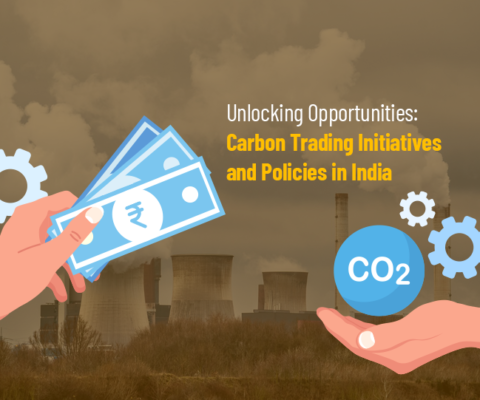
Unlocking Opportunities: Carbon Trading Initiatives and Policies in India
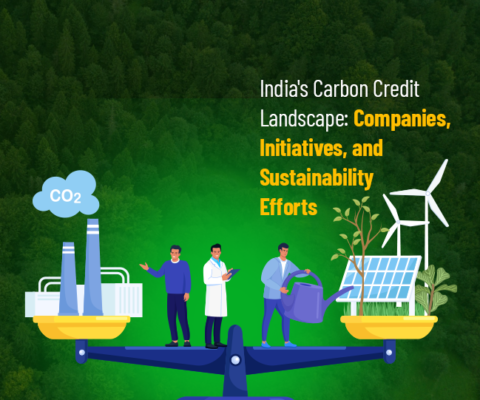
India’s Carbon Credits Landscape
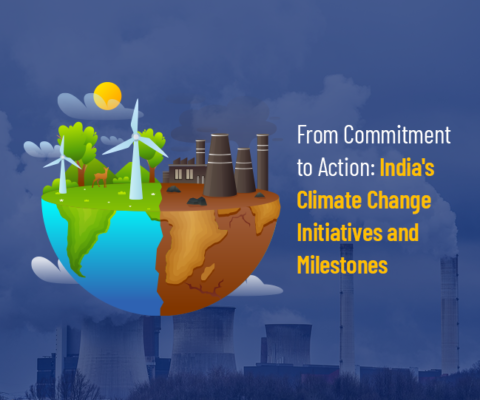
India’s Climate Change Initiatives and Milestones
OUR PARTNERS

CONTACT US